

This site contains product affiliate links. If you make a purchase after clicking on one of these links, we may receive a commission.
The Best Time Of Year To Visit Utah National Parks
Utah’s National Parks, often called the “Mighty 5,” are among the most breathtaking landscapes in the United States. These parks—Arches, Bryce Canyon, Canyonlands, Capitol Reef, and Zion—offer unique experiences, making Utah a year-round destination for nature lovers, adventurers, and photographers alike. But when is the best time of the year to visit Utah National Parks?
Utah’s climate is very diverse. From the desert sections of southern Utah to northern Utah and Salt Lake City with its famed ski resorts, the state has every type of weather imaginable.
On my numerous visits to Utah’s parks, I am constantly amazed by the natural beauty. The best time of the year to visit Utah National Parks depends on what you seek: vibrant wildflowers, cooler hiking conditions, fewer crowds, or winter serenity. This post will explore the seasonal highlights and challenges, helping you plan the perfect trip to Utah’s national treasures. I think the perfect time to visit is the fall for a Mighty 5 tour.
Each park has a unique climate. Since several parks are at a high elevation, such as Bryce and Capitol Reef, the conditions will differ significantly from Zion or Arches. Expect summer heat and lots of sun, while a winter visit can bring freezing temperatures. High elevations in each park receive snowfall, but Utah has no “rainy” season. But the winter months and late summer do see the most rainfall.
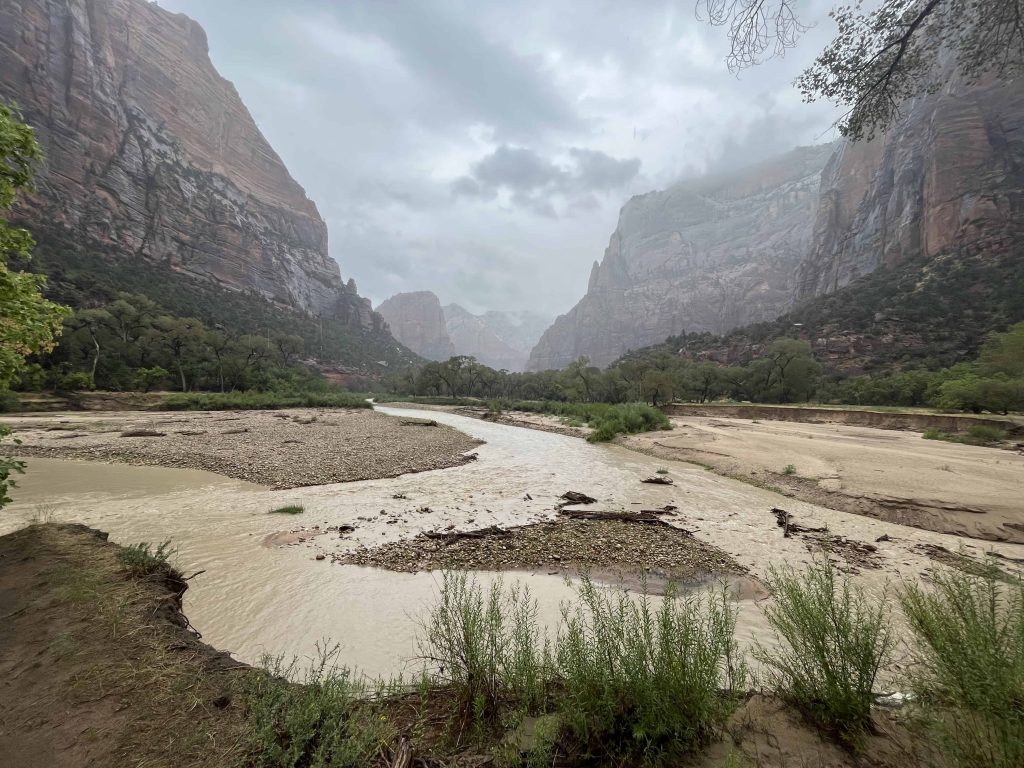
From July to September, Utah experiences a monsoon season, during which thunderstorms are more common, particularly in the afternoons. These storms can bring sudden and intense rainfall, leading to flash floods, especially in slot canyons and lower elevations like Zion National Park. While the storms are usually brief, they can impact hiking plans and trail accessibility.

Overview of the Mighty 5 National Parks in Utah
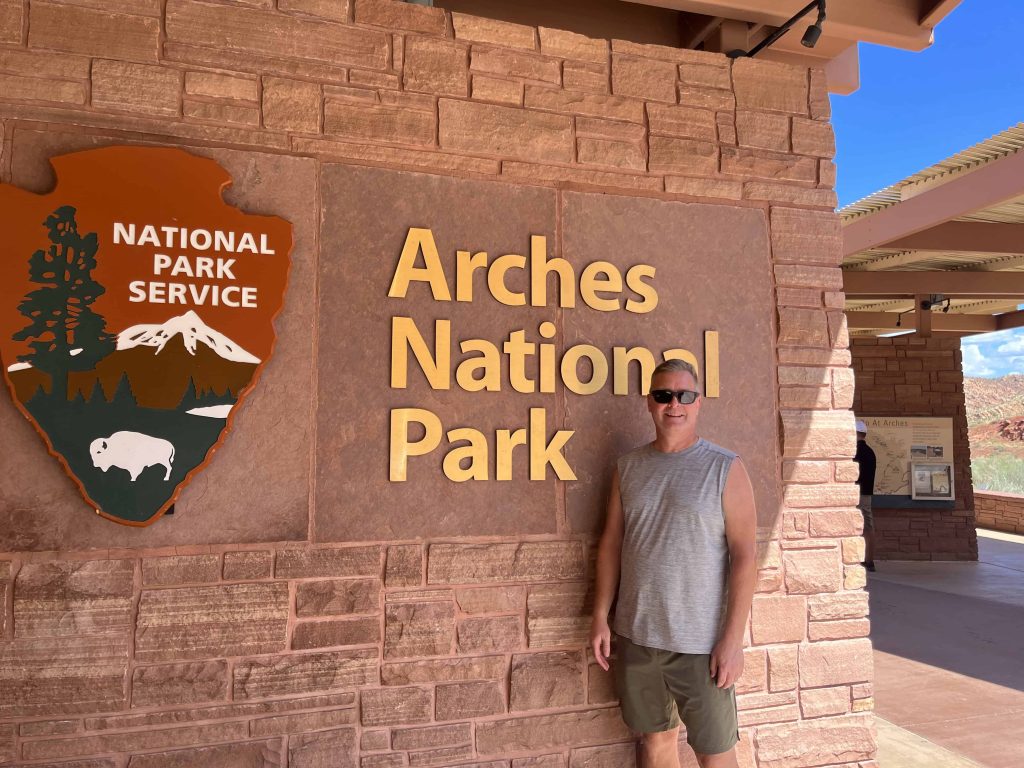
- Arches National Park: Famous for its over 2,000 natural sandstone arches, this park is a marvel of geological formations. Delicate Arch is the most iconic, but there’s plenty more to explore, including Balanced Rock, Fiery Furnace, and the Windows Section. The park is also known for its dramatic sunrise and sunset views.
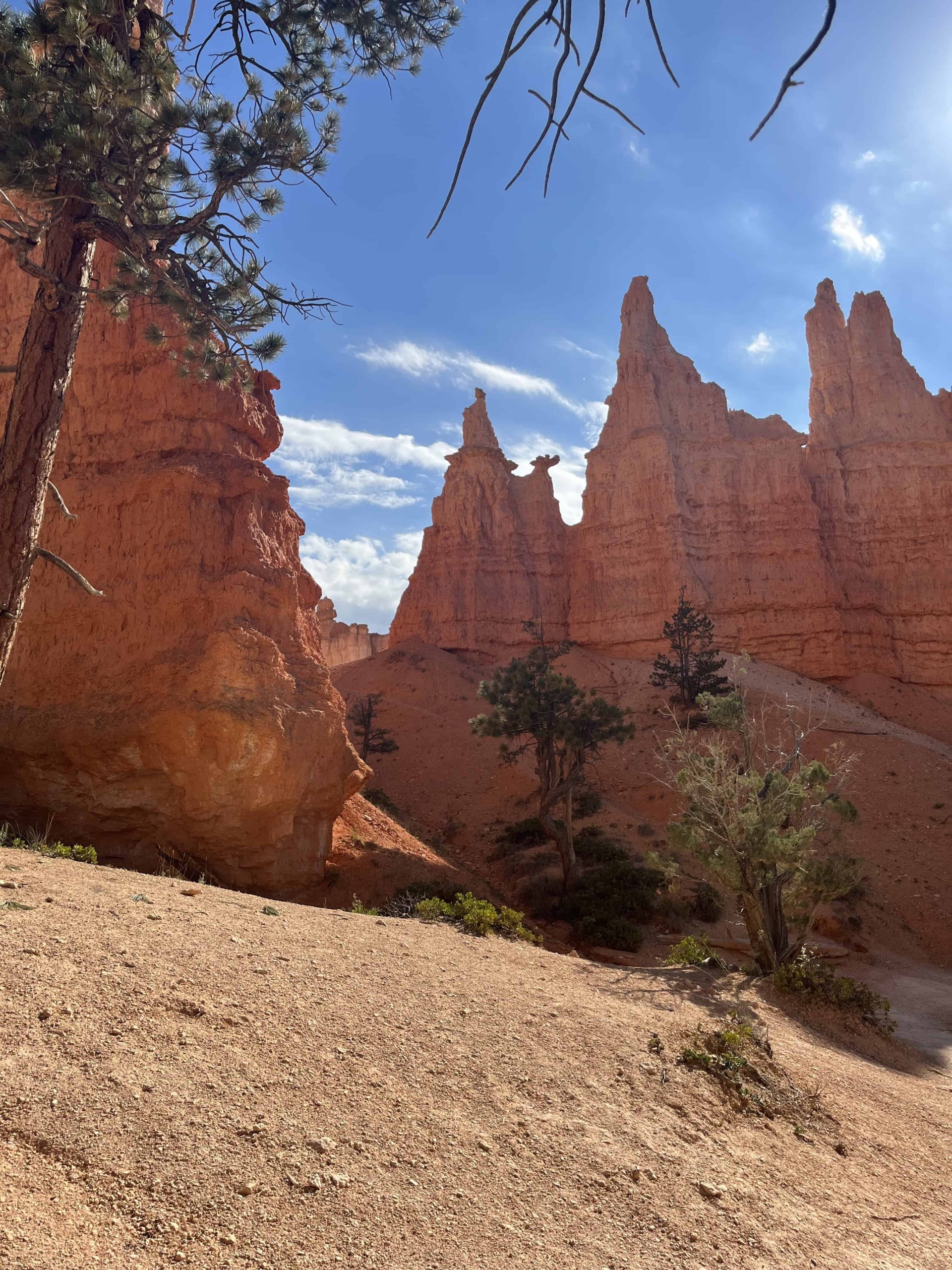
- Bryce Canyon National Park: Bryce is renowned for its hoodoos—irregular columns of rock that create a surreal, otherworldly landscape. With its vibrant orange and red spires, the Bryce Amphitheater is particularly stunning at sunrise. Visitors can enjoy hiking, stargazing, and horseback riding in this unique terrain.
- Canyonlands National Park: Split into four districts—Island in the Sky, The Needles, The Maze, and the rivers themselves—Canyonlands offers vast, rugged landscapes and is a haven for those seeking solitude. The dramatic overlooks, challenging trails, and opportunities for rafting along the Colorado and Green Rivers make it a diverse and adventurous destination.
- Capitol Reef National Park: Less crowded but equally beautiful, Capitol Reef features the Waterpocket Fold, a geological monocline extending nearly 100 miles. The park is also known for its orchards, historic Fruita District, and scenic drives that showcase towering cliffs, hidden arches, and lush valleys.
- Zion National Park: Zion is famous for its towering sandstone cliffs, deep canyons, and the Virgin River that winds through the park. Iconic hikes like Angels Landing and The Narrows draw adventurers, while the scenic Zion Canyon is a favorite for those looking to explore by car or shuttle.

Seasonal Overview: What to Expect in Each Season
Spring (March-May)
Spring is one of the best time of the year to visit Utah National Parks, with moderate temperatures ranging from 50-70°F in most parks. Snow is melting, rivers and waterfalls are flowing, and wildflowers begin to bloom. Trails are generally accessible, although higher elevations in Bryce Canyon and Capitol Reef may still have snow. Crowds start to increase, especially during spring break, but they’re not overwhelming. Costs are moderate as it’s still shoulder season.
Summer (June-August)
Summer is the peak season, especially in Zion and Arches, and the hottest month, with temperatures reaching above 100°F. Despite the heat, this is the most popular time to visit, leading to crowded trails, full campgrounds, and higher prices. Early mornings or late afternoons are the best times for hiking, and staying hydrated is crucial. Capitol Reef and Bryce Canyon, at higher elevations, offer cooler temperatures and less crowded conditions. The Needles district of Canyonlands also remains less busy.
Fall (September-November)
Fall is arguably the best time of the year to visit Utah National Parks. Temperatures are cooler, ranging from 40-70°F, making hiking more comfortable. The autumn foliage, particularly in Zion and Bryce Canyon, adds a vibrant touch to the landscapes. Crowds thin out after Labor Day, and prices start to drop. Most trails and roads are open, though early snowfalls in November can lead to some closures.
Winter (December-February)
Winter brings a quiet serenity to Utah’s national parks. Snow covers the hoodoos in Bryce Canyon and the arches in Arches, creating a stark, beautiful contrast against the red rock. Zion’s lower elevations remain relatively snow-free, making it a good winter destination. Temperatures can drop below freezing, especially at night, and some roads and trails may be closed due to snow. However, the parks are uncrowded, and costs are at their lowest, making it an excellent time for a peaceful, budget-friendly visit.

Seasonal Highlights In Each Utah National Park
Here are seasonal highlights for each of Utah’s national parks, focusing on activities and sights that are best enjoyed in specific seasons:
Arches National Park
- Spring: Spring is ideal for hiking to Delicate Arch when temperatures are moderate and wildflowers begin to bloom, adding vibrant colors to the red rock scenery.
- Summer: Early morning or evening visits to Double Arch and the Windows Section offer cooler temperatures and stunning light for photography.
- Fall: Fall is perfect for exploring Fiery Furnace when the summer crowds have lessened and the weather is cooler, making this maze-like area easier to navigate. A permit is required, and usually, this hike is led by a ranger.
- Winter: Winter provides solitude and a peaceful experience while hiking to Landscape Arch, with the arch beautifully framed by snow-dusted terrain.
Bryce Canyon National Park
- Spring: Hiking the Queens Garden and Navajo Loop Trail in spring gives you vibrant green growth and the park’s stunning red-orange hoodoos.
- Summer: Stargazing in Bryce Canyon’s dark skies is spectacular in summer, as clear nights and ranger-led programs make for unforgettable nights under the stars.
- Fall: The Rim Trail is wonderful in fall as crisp air and golden foliage enhance the sweeping views of the Bryce Amphitheater.
- Winter: Snowshoeing along the Sunset Point to Sunrise Point Trail is a unique way to see the hoodoos against a backdrop of bright white snow and deep blue skies.
Canyonlands National Park
- Spring: Exploring the Island in the Sky District is ideal in early spring, with cool temperatures making the hike to Mesa Arch or the Grand View Point overlook a pleasure.
- Summer: River rafting on the Colorado or Green Rivers offers a refreshing way to experience the park’s dramatic canyons during the peak of summer heat.
- Fall: Hiking to Druid Arch in the Needles District is best when the air cools and the vibrant desert foliage contrasts against the rock formations. FYI, this is a long, challenging hike.
- Winter: The White Rim Road in Island in the Sky is less traveled in winter, offering a more secluded off-roading adventure with panoramic canyon views.
Capitol Reef National Park
- Spring: Visit the Fruita Orchards in spring when blossoms fill the air with sweet fragrance, and you can enjoy a scenic drive along the Capitol Reef Scenic Byway.
- Summer: Hiking to the Hickman Bridge is excellent in the early morning. This way, you can avoid the midday heat while taking in stunning rock formations.
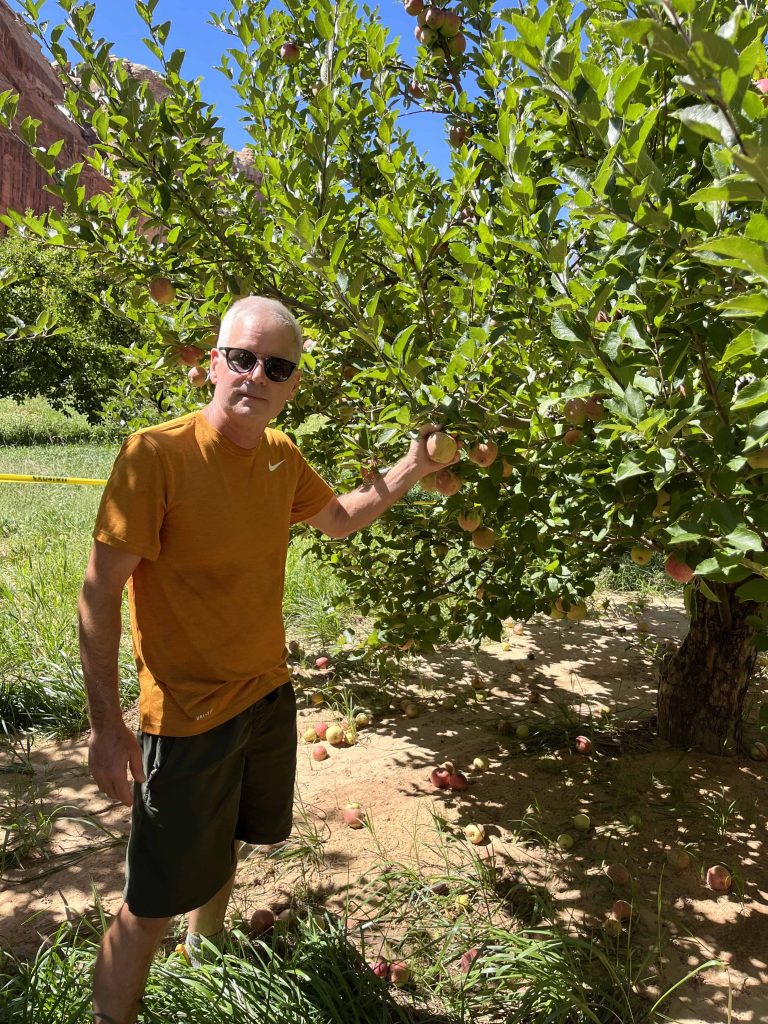
- Fall: Picking fresh fruit in the Fruita orchards is a highlight in fall, with crisp apples and pears ready for harvest and colorful leaves lining the scenic trails.
- Winter: The Scenic Drive through Capitol Reef is peaceful in winter, with the park’s cliffs and formations dusted with snow and minimal crowds.
Zion National Park
- Spring: Driving the Zion-Mt Carmel Highway Scenic Drive is excellent during the spring. This impressive entrance to Zion is a spectacular way to introduce yourself to the park.
- Summer: Hiking The Narrows is best in the summer months when the Virgin River is low, making the iconic trek through the cool water a refreshing escape from the heat.
- Fall: Autumn is the prime time to hike Angels Landing, with comfortable temperatures and vibrant fall foliage along the trail and in the canyon below.
- Winter: Exploring the Lower Emerald Pools in winter is ideal, as snow and ice add a serene atmosphere to this normally crowded area while keeping the lower trails accessible.
These seasonal highlights capture some of the best activities and sights each park offers throughout the year, helping you make the most of your visit regardless of when you go.


Embracing Utah’s National Parks At Any Time Of Year
Utah’s national parks, with their awe-inspiring landscapes and diverse climates, offer a unique experience for travelers, no matter the season. Whether you’re navigating the red rock arches of Arches, marveling at the hoodoos in Bryce Canyon, exploring the rugged canyons of Canyonlands, discovering the hidden gems of Capitol Reef, or hiking the majestic trails of Zion, each park provides its own slice of natural wonder. The desert climate, with its extremes of heat, cold, and sparse rainfall, shapes these parks into some of the world’s most iconic and memorable destinations.
Understanding the seasonal differences allows you to tailor your visit to match your preferences and maximize your time in these stunning environments. Whether you seek solitude, adventure, or simply the chance to witness some of nature’s most magnificent creations, Utah’s Mighty 5 are ready to deliver an unforgettable experience.
Travel Resources
The links above contain product affiliate links.
We may receive a commission at no additional cost to you
if you make a purchase after clicking on one of these links.
But your support of Fork & Wander is greatly appreciated!


