
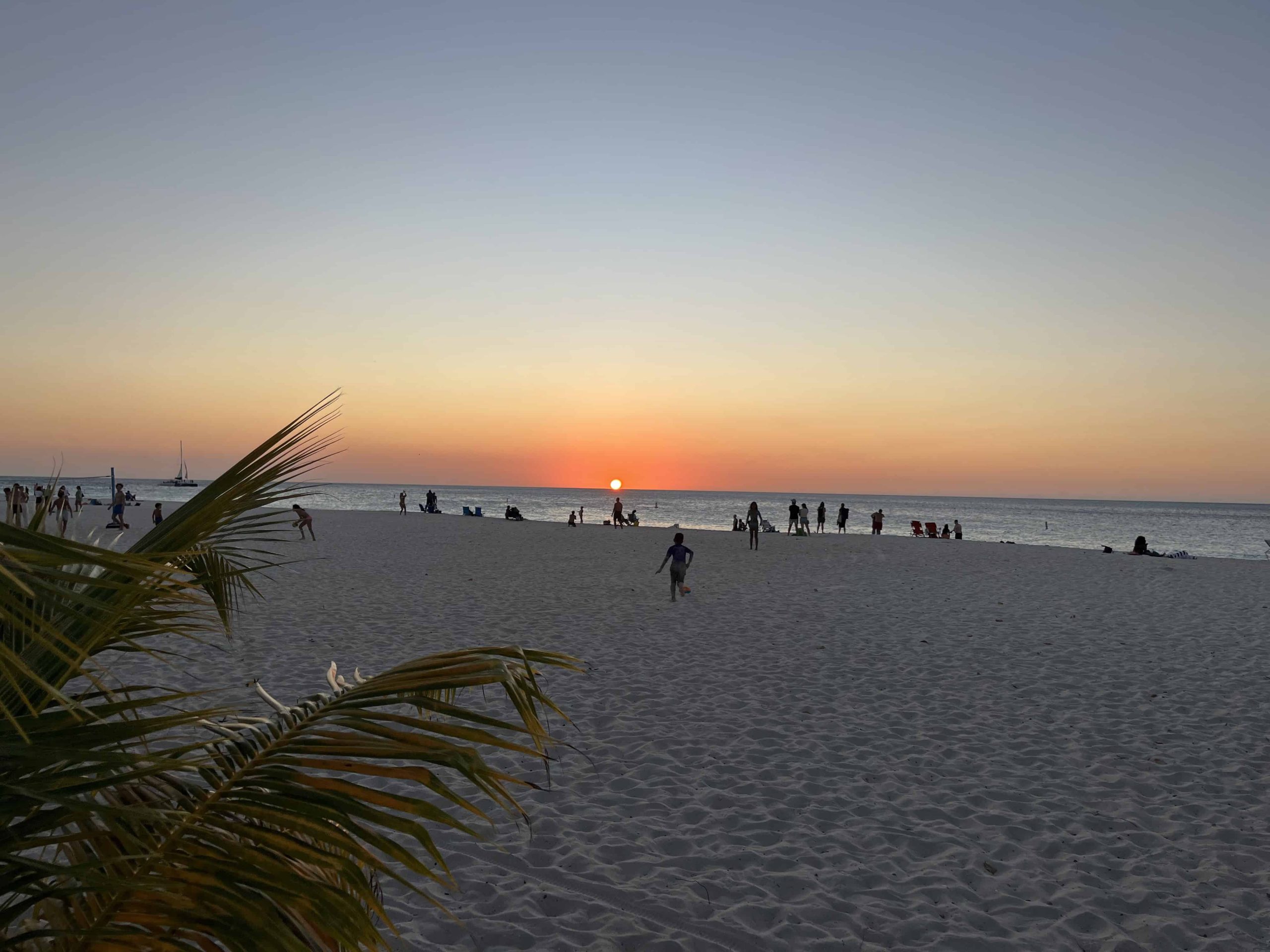
This site contains product affiliate links. If you make a purchase after clicking on one of these links, we may receive a commission.
Aruba Travel Guide: Highlights Of A Visit To Paradise
Whether it’s your first or tenth time visiting Aruba, this guide will help you make the most of your experience. But this Aruba Travel Guide is especially handy for first-time visitors planning their trip. Find out what beaches are best to explore, where to eat, how to get around, and what activities to enjoy.
I have visited this fantastic Caribbean island many times. What attracts me is the consistently great weather year-round, the beautiful beaches, excellent snorkeling opportunities, and the ease of travel.
Aruba caters to a variety of travel styles. I enjoy the outdoors, relaxing in quiet settings, and savoring good food—all readily available in Aruba. If you prefer a more lively beach scene and nightlife, you’ll also find that here. For those seeking a great family vacation, Aruba is an ideal destination, this Aruba Travel Guide will help you plan your adventure. While I dislike when blogs claim, “It has something for everyone,” in this case, Aruba truly does offer something for nearly everyone.

What to Expect on Your First Visit to Aruba
When you think of Aruba, you might imagine a lush rainforest filled with tropical flowers and jungles. However, that’s not quite the case. Aruba is a desert island that is arid and covered with cacti, making it quite different from traditional tropical landscapes. Despite this, the island is undeniably beautiful.
In Aruba, you’ll discover stunning beaches, a rugged coastline, excellent snorkeling opportunities, diverse food options, and an atmosphere of happiness that truly defines the island!
Quick Travel Facts: Aruba Travel Guide Essentials
- Currency: Aruba’s official currency is the Aruban Florin (AWG), but U.S. dollars are widely accepted everywhere—no need to exchange if you’re coming from the States. ATMs dispense both currencies depending on your card and settings. And credit cards are widely accepted.
- Weather: Expect warm, sunny days nearly every day of the year. Temperatures hover around the low 80s °F (27–29°C), with cooling trade winds making the heat comfortable. Rain is minimal and usually brief. The trade winds are a constant presence, so expect very windy conditions most of the time.
- Best Time to Visit: Aruba is a year-round destination thanks to its location outside the hurricane belt. The dry season runs from January to September, but rain rarely disrupts plans, even in the so-called “wet” months. The high season (mid-December to mid-April) brings more crowds and higher prices.
- Getting To Aruba: Aruba is easy to get to from most of the U.S. and even Europe. Daily flights arrive from major hubs all around the world. Over 100 flights from the United States arrive in Aruba each week on American Airlines, Delta, JetBlue, Southwest, and United Airlines. KLM offers daily flights from Amsterdam with other arrivals from other European airlines.
- Popular Tourist Areas:
- Palm Beach: High-rise hotels, beach bars, shopping, and nightlife—this is the island’s most active and resort-heavy zone.
- Eagle Beach: Known for its wide, soft sands and relaxed vibe. It is a favorite with tourists looking for a more peaceful stay.
- Oranjestad: Aruba’s colorful capital city offers historic Dutch-Caribbean charm, shopping, dining, and easy cruise port access.
- Noord: Just inland from Palm Beach, this area is popular for vacation rentals and access to restaurants and beaches without the resort feel.

Best Beaches in Aruba
If you’re heading to Aruba, chances are you’re dreaming of perfect beach days—and you’re in luck. The island is full of stunning beaches, each with its own vibe. Whether you’re looking for calm waters, great snorkeling, or just a quiet place to relax, there’s a beach for you. Here are my top picks for lounging, swimming, and soaking up that Aruba sun in this Aruba Travel Guide.
Eagle Beach
It’s probably the most photographed beach in Aruba—for good reason. Eagle Beach is located in the island’s “low-rise hotel” area, stretching out in a long, wide expanse of soft sand and clear blue water.
This isn’t a prime snorkeling spot, but it’s fantastic for swimming and beach walks. While many beachfront hotels have reserved sections, all beaches in Aruba are public. You can’t use hotel chairs or umbrellas but can bring your own and settle anywhere.
Head to the southern end of Eagle Beach for easier parking and more shade. At the Coco Loco Beach Bar, you’ll find umbrella and chair rentals ($50 for two chairs and an umbrella). It’s pricey—but the beach is worth it.
Divi Beach
Divi Beach is technically the southern extension of Eagle Beach and has a more laid-back feel. It’s quieter, often less crowded, but equally beautiful. This is a great pick if you want to unwind without the buzz of a big resort area.
Keep in mind: most Aruba beaches don’t offer rentals unless you’re at Eagle Beach, Arashi Beach, or Baby Beach, so come prepared. The sun is very intense, so shade is a must!

Mangel Halto
One of my personal favorites. Mangel Halto is a local favorite for good reason—it’s peaceful, shady, and offers some of the best snorkeling on the island. Located just south of the airport in Pos Chiquito, this beach is lined with mangroves and shallow, calm waters.
Park at the far end near the Mangel Halto Bar and follow the trail down to the beach. You’ll find several large palapas (thatched shade huts) free to use—just be courteous and ask to share if someone’s already there.
Enter the water from the dock or through the mangroves for a relaxed swim or snorkel. It’s a great mid-day stop, especially if you’re heading to or from Baby Beach—and honestly, I think it’s a better option.
Palm Beach
Known as the High-Rise Hotel area (you’ll even see it marked that way on street signs), Palm Beach is bustling and full of energy. It’s lined with resorts, restaurants, and beach bars—all sitting on a beautiful stretch of calm, swimmable water.
If you’re not staying at one of the beachfront hotels, you won’t find rental chairs or umbrellas here, but you can still bring your own gear and enjoy the vibe. This is also the go-to beach for water activities like paddleboarding, banana boats, and sunset cruises.
I love visiting for a cocktail at sunset or a casual beachfront meal. If your hotel is here, it’s super convenient—but if you’re staying elsewhere, I wouldn’t make this your main beach day.

Arashi Beach
Arashi Beach is a gem tucked away near the California Lighthouse at the island’s northern tip. It’s smaller, relaxed, and a favorite for locals and return visitors.
You can bring your own setup or rent two chairs and an umbrella for about $40 from the Arashi Beach Shack. The water here is usually calm, and the snorkeling just offshore is good. (Tip: just around the corner are much better places to snorkel; they are within swimming distance from the southern end of this beach.)
There’s food and drink available from the shack, but stick to basic snacks and cocktails—the service is slow, and the food isn’t much to write home about.
Boca Grandi
Boca Grandi is a popular windsurfing spot near Baby Beach on the island’s southern end. The curved, white-sand beach is beautiful and peaceful but not ideal for swimming due to rough currents.
It’s a great place to relax, watch the kite surfers, and take in the natural beauty of Aruba’s wilder side.

Baby Beach
Famous for its shallow, calm waters—perfect for kids—Baby Beach is one of the island’s most well-known beaches. It’s a bit of a drive from the hotel zones, but the scenery makes it worthwhile.
Just know that the beach is bordered by the remnants of Aruba’s old oil refinery, which gives the area a slightly surreal, industrial backdrop. It’s still beautiful, but it can be a bit post-apocalyptic.
Swimming here is easy and safe, but snorkeling is underwhelming. If you go, arriving early is best to beat the crowds. Even though this is one of my least favorite beaches in Aruba, I trek here once during each visit.
Best Snorkeling in Aruba
Mangel Halto – Pos Chiquito
Located on the southern coast, Mangel Halto is one of the best snorkeling spots in Aruba. Calm, clear water, mangroves, and vibrant reefs make it perfect for spotting colorful fish and sea turtles. It’s also a peaceful place to relax between swims.
Getting there: Head south from Oranjestad on Route 1 past the airport. At the roundabout, take the first exit, veer slightly right onto Spaans Lagoenweg, and look for the Mangel Halto sign on the stone wall.
Arashi Beach
While the reef directly in front of Arashi isn’t the best, it’s just a short swim to Boca Catalina, where snorkeling is excellent. Arashi has bathrooms, food and drink options, and umbrella/chair rentals, making it a great all-day beach.
Getting there: Take L.G. Smith Boulevard north past Palm Beach toward the California Lighthouse. You’ll find a parking lot on the left just before the lighthouse.
Boca Catalina
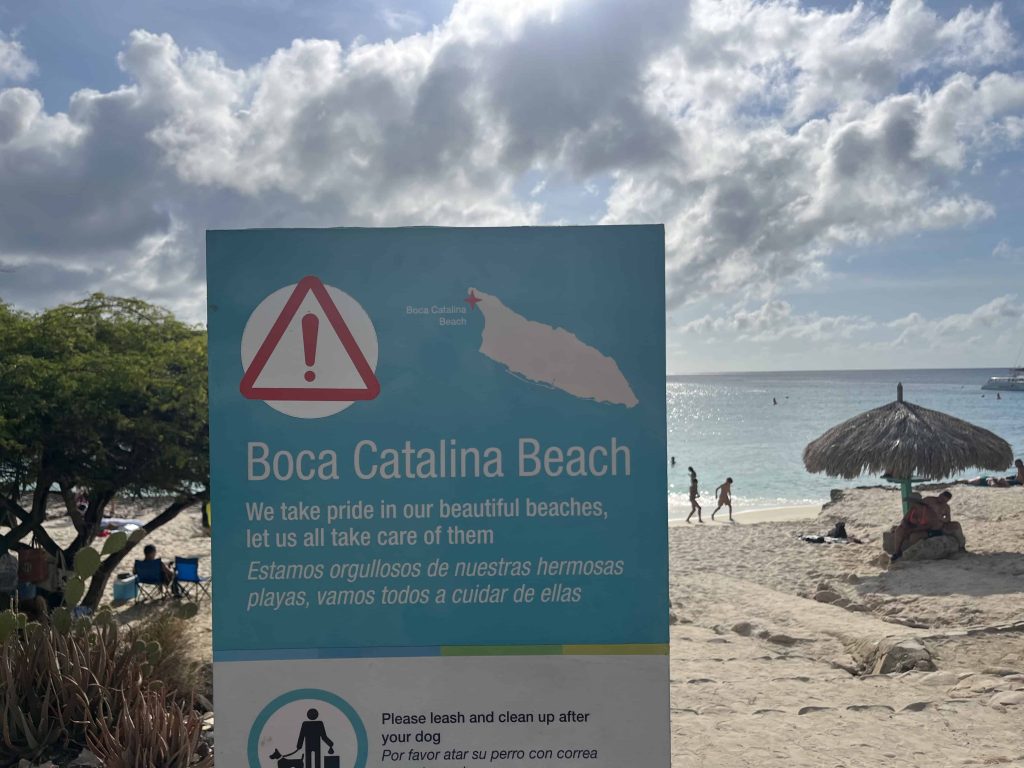
This small beach is known for calm, clear water and a healthy reef system. It’s an easy entry point for snorkelers, with a good chance of spotting parrotfish, eels, and more. Swim north toward Arashi for the best underwater views.
Getting there: North on L.G. Smith Boulevard past Palm Beach. Look for the Boca Catalina lot just before Arashi, or park on Arashi Road for easier access to the northern entry point.
Tres Trapi / Malmok Beach
Tres Trapi (“three steps”) is a tiny cove carved into the rock just north of Malmok Beach. With seagrass close to shore, it’s an excellent place for beginners and a good spot to see turtles and red cushion starfish.
Getting there: Continue north on L.G. Smith Boulevard from Palm Beach. Look for two small dirt parking areas—Tres Trapi is on the northern end.

Antilla Wreck
This sunken WWII German freighter is one of the most significant shipwrecks in the Caribbean and is shallow enough for snorkelers. Visibility can vary, but it’s a unique chance to see large schools of fish and coral-covered wreckage.
Getting there: Only accessible by boat—book a guided snorkeling tour to explore the site safely.
Where to Eat in Aruba
(Based on many visits and lots of meals!)
Breakfast & Lunch
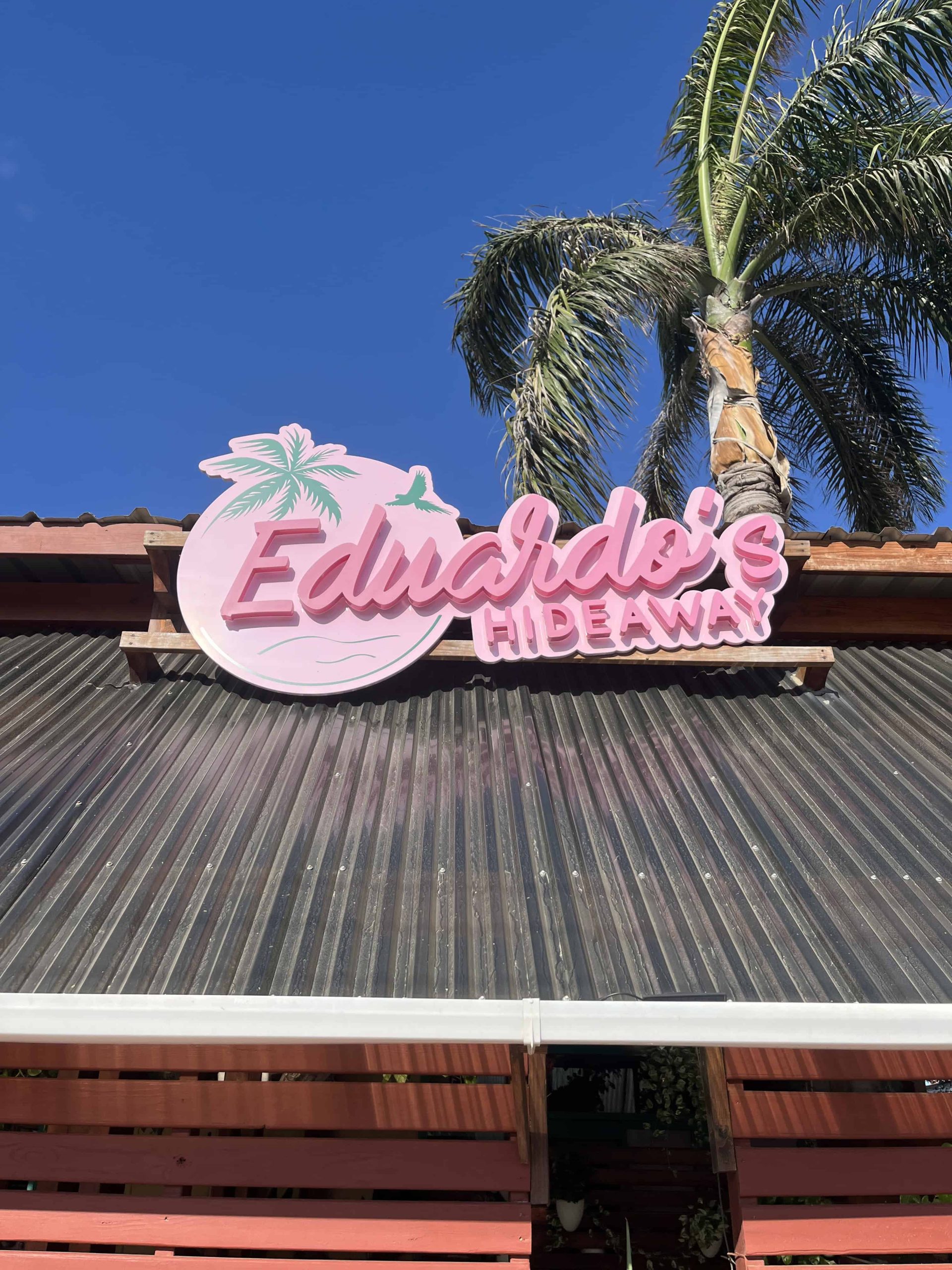
My go-to breakfast spot in Aruba is Eduardo’s Hideaway (also check out Eduardo’s Beach Shack on Palm Beach, but I prefer the Hideaway in Noord). It’s hands down some of the best food on the island—fresh, flavorful, and focused on vegetarian and healthier options. Whether you’re craving an açaí bowl, breakfast tacos, or the chickpea omelet, everything I’ve tried has been delicious.
Another favorite is Linda’s Dutch Pancakes in Noord, known for its traditional Dutch-style pancakes with sweet or savory toppings. It gets busy, so aim for an early arrival to avoid a wait.



Cocktails & Beach Bars
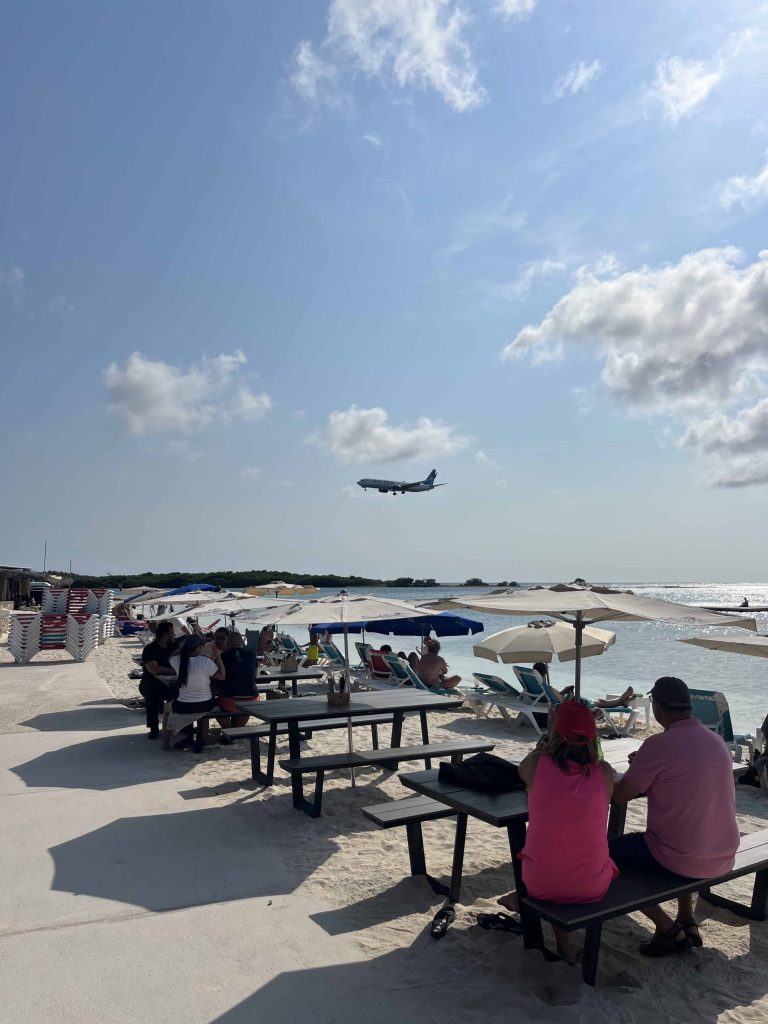
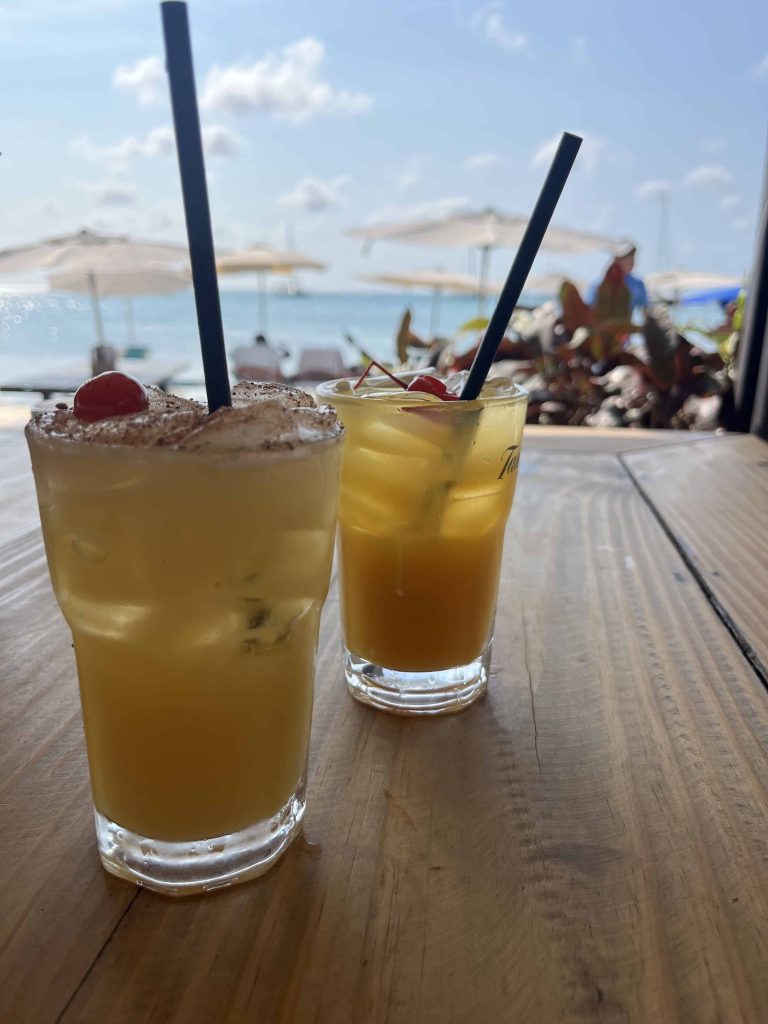
A beachside drink is a requirement in Aruba, and there are plenty of great spots to choose from. Surfside Beach Bar, located near the airport, is a fun stop where you can sip a tropical cocktail while planes glide overhead to land—it’s a surprisingly relaxing way to end your day.
Coco Loco Beach Bar, right on Eagle Beach, is a great place to grab a sunset drink with your toes in the sand. It’s casual and low-key, perfect after a long beach day.
Perched on a dock in Palm Beach, Pelican Pier Bar is always our traditional first stop on the island. It’s not fancy, but its location over the water makes it the perfect way to start your vacation officially.
For something more upscale, Divi Sushi Bar & Lounge at the Ritz Carlton delivers. The craft cocktails are top-notch, the vibe is polished yet relaxed, and there’s often live music in the evenings.
Dinner & Casual Dining
One of my newest discoveries is Madame Janette, and I wish I’d found it sooner. It’s not on the beach—in fact, the location is a bit tucked away—but once inside the garden courtyard, it’s an enchanting setting. The steaks are excellent, the portions are enormous, and the service is outstanding. We didn’t try the burger, but we saw it delivered to a nearby table, and it was easily big enough for four. Reservations are highly recommended.


If you’re looking for a romantic and uniquely Aruban experience, Flying Fishbone in Savaneta is a popular pick. Tables are set right in the sand and even in the water. It’s more about the setting than the food (which is good but not exceptional), so book well in advance if you want a table with your feet in the sea.

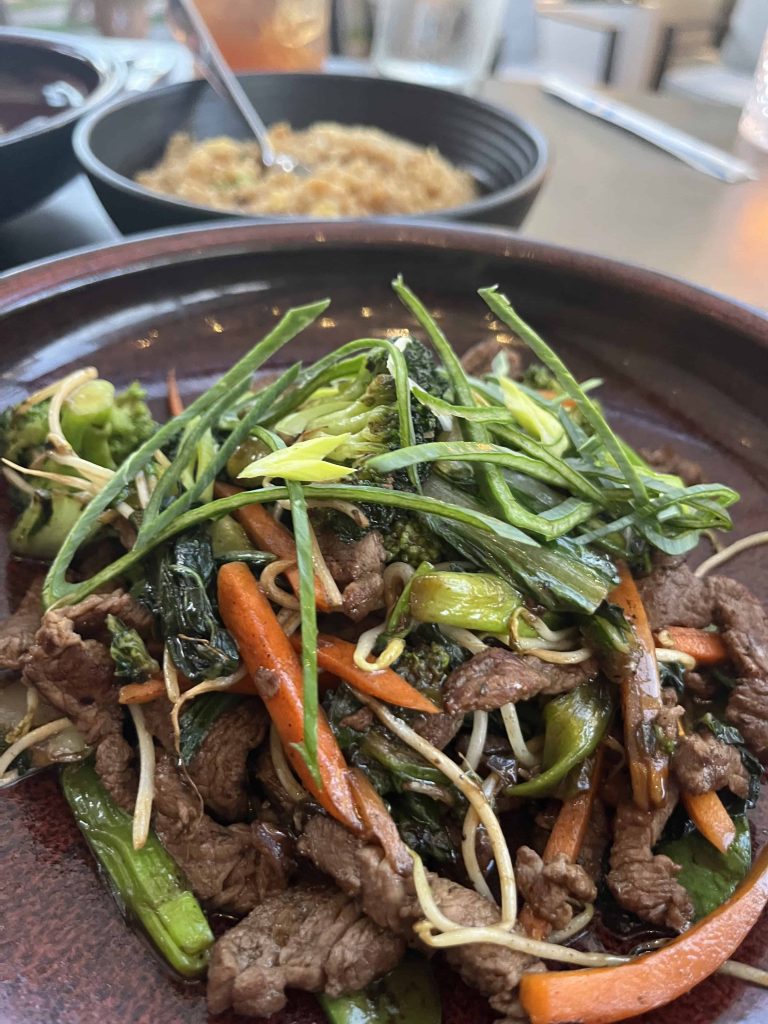
For something a little trendier, Azia is a fun choice in the heart of Palm Beach. Think PF Chang’s—but better. It has a lively vibe, a great cocktail list, and excellent service—a good option for dinner followed by a night out along the Palm Beach strip.

If you’re craving something quick, Pizza Bob’s is a great budget-friendly spot with decent pizza and casual outdoor seating. For burgers, check out Drunken Burger. We found it by chance during a power outage on our first night and returned a second time. The burgers are seriously good and a great low-key dinner option.
Best Way to Get Around Aruba
If you really want to explore Aruba beyond the resort areas, renting a car is your best bet—and honestly, it’s the way I recommend seeing the island. Compared to other Caribbean destinations like Curaçao or the U.S. Virgin Islands, I’ve found rental prices in Aruba to be surprisingly reasonable.
- Driving in Aruba is easy and relatively stress-free. Roads are in good condition, signage is clear, and traffic is generally light, especially outside of Oranjestad and the Palm Beach area. Most cars are automatic, and you drive on the right side of the road.
- Gasoline is sold by the liter, and prices can fluctuate, but expect it to be slightly higher than in the U.S.—though not outrageously so. Most gas stations are self-serve but have attendants to assist if needed. Stations are easy to find in urban areas but a little more spread out if you’re heading toward more remote beaches like Baby Beach or Arikok National Park, so plan accordingly.
- An international driver’s license is not required for U.S. visitors or most other tourists. You’re good to go if your driver’s license is in English and valid.
- It’s also worth noting that ride-sharing apps like Uber or Lyft do not operate in Aruba, so taxis are the only on-demand transport option—and they’re not cheap. Fares are set by zone, not meter, and can add up quickly if used frequently.
- If you don’t want to rent a car, the public bus system (Arubus) is reliable, safe, and affordable. It won’t get you to every hidden beach or restaurant, but it’s great for reaching major areas like Eagle Beach, Palm Beach, and downtown Oranjestad. Buses run frequently during the day, with limited service at night.
Where to Stay in Aruba
Aruba is compact but diverse, and where you stay can shape your experience. The island has several distinct areas where travelers tend to base themselves—each offering a different vibe, price point, and access to beaches or attractions.
- Palm Beach is the most developed tourist area, home to large beachfront resorts, casinos, and high-rise hotels. You’ll find easy access to restaurants, shopping, nightlife, and water activities. If you want everything at your fingertips and love a lively atmosphere, this is the place for you.
- Just south of Palm Beach is Eagle Beach, a quieter stretch with low-rise hotels and a more laid-back, uncrowded feel. It’s consistently ranked as one of the best beaches in the world. It’s ideal for couples or anyone looking to relax without giving up amenities or beach access.
- Oranjestad, Aruba’s capital, combines a touch of city life with a walkable waterfront and access to the cruise port. It’s a good base if you’re interested in shopping, dining, and cultural attractions—but beach access is more limited unless you’re staying at a waterfront hotel.
- Consider Noord if you want more space, privacy, or a better deal. This area sits just inland from Palm and Eagle Beach and is packed with Airbnb and VRBO rentals—everything from simple apartments to large villas with pools. It’s an excellent option for families or longer stays, and prices here tend to be lower than beachfront properties. Renting a car is a must if you’re staying in Noord, as it’s a few minutes’ drive from the beach.
- Check out Malmok, Savaneta, or San Nicolas for an off-the-beaten-path vibe. Malmok is close to some of Aruba’s best snorkeling beaches, including Boca Catalina and Tres Trapi. You will also be close to the boardwalk (beach walk), a great place for sunrise and sunset walks. Savaneta, on the southern coast, offers more local flavor and tends to have fewer tourists. It’s also where you’ll find unique dining experiences like Flying Fishbone. San Nicolas, near Baby Beach, is a growing area with colorful street art and a local feel, though lodging options here are more limited.
Top Hotel Recommendations
Boardwalk Boutique Hotel
This is my personal favorite. While it’s not directly on the beach, Boardwalk Boutique Hotel gives you the best of both worlds—luxury and privacy in a small, peaceful setting, with full access to Palm Beach just across the road. It does have a dedicated beach area with palapalas for guests. The grounds are beautiful, the casitas are thoughtfully designed, and the service is excellent. It’s perfect for travelers who prefer a boutique experience over a large resort.
St. Regis Aruba
The St. Regis Aruba Resort is a newer addition to Eagle Beach, this is a top pick for luxury travelers. The property feels fresh and modern, with a prime location along one of the island’s best beaches. Compared to some of the older high-end resorts on the island, the St. Regis is a more updated choice with elevated service and amenities.

Best Tours and Activities in Aruba
Aruba is more than just beautiful beaches—it’s packed with opportunities to explore by land and sea. Whether you want to snorkel, sail, or bump down a dirt road in a Jeep, there’s something for everyone.
Boat Tours
Snorkeling tours are incredibly popular; you’ll find no shortage of operators offering half-day trips. That said, not all tours are created equal. Many take you to spots like Boca Catalina and Tres Trapi—locations you can easily access from shore if you have your own gear. If you spend the money, look for tours that include harder-to-reach places like the Antilla Shipwreck or Mangel Halto, where shore access is trickier, and the marine life is better preserved.
Sunset cruises are another top option and a great way to wind down after a beach day. One of the most memorable is the Monforte III Dinner Cruise. This upscale sailing trip departs from the Pelican Pier and offers a more intimate, relaxing evening than some of the larger, party-oriented catamarans. The boat is beautiful, the staff is excellent, and the food is actually pretty good—not always a guarantee on sunset cruises.
Explore Arikok National Park
If you want to see Aruba beyond the beaches, Arikok National Park is a must. It covers about 20% of the island and showcases Aruba’s rugged terrain, volcanic hills, hidden beaches, and historic cave art.
You can visit the park on your own if you’ve rented a car. While parts of the park require a 4WD vehicle (especially if you’re venturing to the more remote parts), most of the main sites—including the caves and visitor center—can be accessed with a standard rental car if you drive slowly and stick to the main roads. Alternatively, you can join a guided Jeep or hiking tour for a more informative experience.
The park is open daily from 8:00 AM to 4:00 PM. Admission is $11 for adults, and kids under 17 are free. The San Fuego entrance is the most accessible from the hotel areas around Palm and Eagle Beach.
Highlights inside the park include:
- Fontein Cave and Quadirikiri Cave – These caves are open daily, and park rangers are on site to guide you and share their history and geology. Quadirikiri, with its natural skylights and chambers, is especially impressive.
- Dos Playa – A dramatic double cove with crashing surf, where leatherback and green sea turtles nest during certain times of the year. It’s not safe for swimming, but it’s a gorgeous, remote spot to explore.
- Conchi Natural Pool – Best reached with a guided Jeep or ATV tour. Though waves can make swimming tricky, it’s a rocky, beautiful spot to cool off.

Jeep & ATV Tours
You’ll see Jeep caravans and ATV groups buzzing all over the island—especially around Arikok and the northern coast. These tours are a fun, adrenaline-packed way to reach Aruba’s more remote and rugged spots. They’ll take you to hidden beaches, cave pools, desert trails, and even the Natural Bridge ruins and California Lighthouse.
If you’re interested in a guided off-road adventure but don’t want to drive, many tours offer the option to ride as a passenger in a safari-style vehicle. Either way, you’ll get an excellent overview of the island’s natural beauty, which is far from the resort areas.
Keep in mind: these tours can get dusty and bumpy. Wear sunglasses and bring a bandana or face covering if dust bothers you. Also, most operators include hotel pickup and drop-off in the price, which is a bonus if you’re not renting a car.


Why Aruba Is Someplace You Will Visit Again and Again
A week in Aruba offers an experience that stays with you long after you’ve returned home. With dependable sunshine, warm turquoise waters, and a laid-back island rhythm, Aruba makes travel easy and enjoyable—whether you’re coming for your first or tenth visit. The island’s unique desert landscape might surprise you at first, but it’s part of what makes Aruba stand out from other Caribbean destinations. From serene beaches like Eagle and Divi to lively stretches like Palm Beach and Arashi, you can easily tailor your stay to match your pace.
What truly sets Aruba apart is its range of experiences without overwhelming you. You can snorkel alongside sea turtles in Mangel Halto’s calm shallows, enjoy world-class dining at sunset, and wake up the next morning to a relaxed breakfast with your toes in the sand. The island is welcoming, safe, and easy to navigate, making it especially ideal for travelers looking for comfort without sacrificing a sense of adventure. Whether you’re seeking quiet corners, family fun, or a romantic beachside escape, this Aruba Travel Guide will help you plan your perfect visit.

Travel Resources
The links above contain product affiliate links.
We may receive a commission at no additional cost to you
if you make a purchase after clicking on one of these links.
But your support of Fork & Wander is greatly appreciated!


This guide was such a helpful and honest read—thank you, Tim! I really appreciated the detailed beach breakdown, especially your tips about Mangel Halto and the snorkeling areas. It’s refreshing to read a travel guide that gives both the highlights and little realities, like the note on Baby Beach’s refinery backdrop. Makes planning feel a lot more grounded and less sugar-coated. Looking forward to using this on my first Aruba trip!