

This site contains product affiliate links. If you make a purchase after clicking on one of these links, we may receive a commission.
An Art Lovers Guide to a Weekend Getaway In Pittsburgh
Nestled at the confluence of the Allegheny, Monongahela, and Ohio River, Pittsburgh is a city that thrives on its rich tapestry of history, innovation, and artistic expression. While it’s often celebrated for its industrial past, Pittsburgh’s cultural scene is a vibrant, dynamic mosaic that beckons travelers to explore. Pittsburgh offers a cultural feast for the curious traveler, from world-class museums and stunning architecture to a thriving theater district and avant-garde cultural happenings. Explore an Art Lovers weekend in Pittsburgh with this extensive guide and itinerary.
If you are considering a weekend of museums, theater, music, and history, visit Pittsburgh. This dynamic city offers all of that and so much more.

Why Pittsburgh Has Such a Strong Arts & Culture Scene
Pittsburgh’s vibrant arts culture is deeply rooted in its industrial history and the significant contributions of its wealthy industrialists. Here’s a look at the key factors that have shaped Pittsburgh into a cultural powerhouse.
The Wealth of Industrialists
In the late 19th and early 20th centuries, Pittsburgh became an industrial giant, home to wealthy figures like Andrew Carnegie, Henry Clay Frick, Andrew Mellon, and George Westinghouse. Their fortunes from steel and other industries funded numerous cultural institutions:
- Andrew Carnegie: Founded the Carnegie Institute, which includes the Carnegie Museum of Art, Carnegie Museum of Natural History, Carnegie Library, and Carnegie Music Hall. He also established what would become Carnegie Mellon University.
- Henry Clay Frick: Created the Frick Art & Historical Center, housing an impressive art collection and the Frick family mansion, Clayton.
- Andrew Mellon: Supported the University of Pittsburgh and established the National Gallery of Art. The Mellon fortune has supported many of the city’s cultural endeavors.
The Legacy of Philanthropy
The philanthropic efforts of these industrialists laid the foundation for Pittsburgh’s arts culture, establishing and supporting numerous cultural institutions. This legacy continues today with foundations like the Carnegie Corporation, Heinz Endowments, and Richard King Mellon Foundation funding various cultural initiatives.
Educational Institutions and Cultural Hubs
Pittsburgh’s educational institutions play a crucial role in nurturing the arts:
- Carnegie Mellon University (CMU): Renowned for its drama, music, and fine arts programs.
- University of Pittsburgh: Offers diverse arts and humanities programs and hosts numerous cultural events.
- Point Park University: Known for its strong performing arts programs, including dance, theater, and cinema, it nurtures the next generation of artists and performers and contributes significantly to Pittsburgh’s cultural vibrancy.
A Thriving Cultural District
Pittsburgh’s Cultural District downtown features theaters, galleries, and performance spaces, such as the Benedum Center, O’Reilly Theater, and Heinz Hall. Managed by the Pittsburgh Cultural Trust, this district promotes the arts through countless events.

The Perfect 3-Day Cultural Weekend in Pittsburgh
With so much to do, it might be hard to fit everything into two or three days. Here is a suggested itinerary to experience the best of Pittsburgh’s cultural offerings, including art, architecture, and dining. It’s the perfect art lovers guide to Pittsburgh.
Day 1: Arrival and Modern Art
Morning/Afternoon: Arrival and The Andy Warhol Museum
Arrival: Check into your hotel and get settled. If you’re staying in the downtown area, you will have proximity to many attractions. But no matter where in the city you are staying, Pittsburgh is condensed, with most cultural activities located within a short drive, walk, or trip on public transportation.
The Andy Warhol Museum: Start your cultural weekend at The Andy Warhol Museum on Pittsburgh’s North Shore, one of the best neighborhoods for arts in the city. Explore the extensive collection of Warhol’s works, including his famous pop art pieces and experimental films. The museum provides a comprehensive look at Warhol’s life and legacy.
Afternoon: The Mattress Factory and Randyland
The Mattress Factory: Head to the Mexican War Streets neighborhood (also located on the north shore) to visit The Mattress Factory, a contemporary art museum known for its immersive, room-sized installations. Spend your afternoon exploring the innovative and often interactive exhibits created by artists worldwide. Be sure to stroll the Mexican War Streets neighborhood, a historic district known for its beautifully restored 19th-century row houses, vibrant murals, and charming streetscapes.
Randyland: Just a short walk from The Mattress Factory, Randyland is a whimsical outdoor art installation created by artist Randy Gilson. Stroll through the vibrant courtyard filled with colorful murals and quirky sculptures.
Evening: Dinner and a Show
Dinner: Return downtown for dinner at Ritual House, an artistic dining experience where the ambiance is as delightful as the cuisine. Enjoy a meal that combines culinary creativity with an artistic presentation. If you prefer staying on the north shore, you will find some of the city’s best restaurants, including 40 North, EYV, Sempre Algo, and Fig & Ash.
Show at the Benedum Center or O’Reilly Theater: End your evening with a cultural performance. Choose between a musical at the Benedum Center or a play at the O’Reilly Theater in the Cultural District. Check the schedule ahead of time to secure tickets to a performance.
Day 2: Day Trip to the Laurel Highlands
Morning: Depart for the Laurel Highlands; today is about architecture.
Fallingwater: Drive to the Laurel Highlands to visit Fallingwater, Frank Lloyd Wright’s architectural masterpiece. Nestled in the woods, this iconic house built over a waterfall is a must-see for architecture enthusiasts. Guided tours offer insights into Wright’s design philosophy and the house’s history. Nearby, Ohiopyle State Park is also a great place to connect with nature.
Afternoon: Kentuck Knob and Ligonier
Kentuck Knob: Just a short drive from Fallingwater, visit Kentuck Knob, another Frank Lloyd Wright-designed home. This more intimate residence showcases Wright’s signature organic architecture and provides stunning views of the surrounding landscape.
Southern Alleghenies Museum of Art in Ligonier: While in Ligonier, explore the Southern Alleghenies Museum of Art, which features a diverse collection of regional and national artworks. The museum’s charming setting and impressive exhibitions make it a worthwhile stop.
Evening: Return to Pittsburgh
Return to Pittsburgh in the evening and relax at your hotel or explore the city’s nightlife. Dining options include a dinner with a view on top of Mt. Washington, where you will find several restaurants that offer the best views of the city. The LeMont and Altius are fine dining options or try more casual places such as Coughlin’s Law or Gordo’s Taco & Tequila. A great way to reach your dining option is to ride either the Duquesne Incline or Monongahela Incline, beautifully restored funiculars that offer amazing views.
Day 3: Exploring Oakland
Morning: The Carnegie Museums
Carnegie Museum of Art and Natural History: Begin your day in the Oakland neighborhood with a visit to the Carnegie Museums. The art museum offers an impressive collection of contemporary and classical art, while the natural history museum features fascinating exhibits, including Dinosaur Hall and the Hall of Architecture.
Afternoon: Lunch and Oakland Tour
Lunch at The Porch at Schenley: Enjoy a leisurely lunch at The Porch at Schenley, a popular restaurant with a farm-to-table menu and views of Schenley Plaza. It’s a great spot to relax and refuel before your afternoon activities.
Tour of the University of Pittsburgh: After lunch, tour the University of Pittsburgh’s architectural wonders. Visit the iconic Cathedral of Learning, explore the Nationality Rooms, and stroll through the campus to appreciate its diverse architectural styles. Don’t miss the Heinz Memorial Chapel, a beautiful example of neo-Gothic design.
Evening: Departure
Final Moments: Depending on your departure time, you might have a chance to do some last-minute shopping or a quick visit to another nearby attraction.
Departure: Head to the Pittsburgh International Airport or hit the road, taking memories of a culturally rich weekend in Pittsburgh.
Find more details and other cultural things for art lovers to do in Pittsburgh with the guide below.
Where To Stay In Pittsburgh!
Museums: A Treasure Trove of Art and History
Pittsburgh’s museum scene is nothing short of spectacular. It offers diverse experiences that cater to art lovers, history buffs, and science enthusiasts alike. Here’s a deeper dive into some of the city’s most notable museums.
Carnegie Museum of Art and Carnegie Museum of Natural History
The Carnegie Museum of Art, founded by industrialist Andrew Carnegie in 1895, is one of the oldest contemporary art museums in the United States. Its extensive collection spans various periods and styles, featuring works by renowned artists such as Claude Monet, Vincent van Gogh, and James Abbott McNeill Whistler. The museum is particularly noted for its impressive modern art, decorative arts, and photography holdings.
One of the museum’s highlights is the Hall of Architecture, which houses one of the largest collections of plaster casts of architectural masterpieces in the world. Another must-see is the Scaife Galleries, which showcase an array of European and American paintings and sculptures.
Adjacent to the art museum is the Carnegie Museum of Natural History, home to the iconic Dinosaur Hall. This hall features one of the world’s finest collections of dinosaur fossils, including a towering Tyrannosaurus rex and a massive Diplodocus. The museum also offers exhibits on ancient Egypt, Native American cultures, gems and minerals, and wildlife dioramas that transport visitors to different ecosystems around the globe.
The Carnegie International is a prestigious contemporary art exhibition held every three to five years at the Carnegie Museum of Art. Established in 1896 by Andrew Carnegie, it is the oldest North American exhibition of international contemporary art and one of the most significant events in the art world. The exhibition aims to present the most compelling new art from around the globe, reflecting the changing currents of contemporary artistic practice.
Over the years, Carnegie International has introduced American audiences to numerous influential artists, including Pablo Picasso, Henri Matisse, and Jackson Pollock. The exhibition remains a vital platform for emerging and established artists to showcase their work, engaging visitors with thought-provoking installations, performances, and multimedia projects. The 59th Carnegie International will take place at the Carnegie Museum of Art in Pittsburgh from May 2, 2026, to January 3, 2027.
Location:
4400 Forbes Avenue
Pittsburgh, PA 15213
Hours:
Mon.-Wed., Fri.-Sun. 10 am–5 pm.
Thurs.: 10 am–8 pm.
Admission:
Adults: $25, Seniors (65+): $20, Students with I.D./Children age 3–18: $15, Members/Children 2 and under: Free
Weekdays after 3 pm: Half-price admission

The Andy Warhol Museum
The Andy Warhol Museum is the largest museum in North America devoted to a single artist. It is dedicated to the life and legacy of Pittsburgh-born pop art icon Andy Warhol. The museum’s vast collection includes over 12,000 works of art, including Warhol’s paintings, drawings, prints, photographs, sculptures, and film and video pieces.
Visitors can explore Warhol’s artistic evolution, from his early commercial illustrations to his iconic pop art pieces featuring celebrities like Marilyn Monroe, Elvis Presley, and Elizabeth Taylor. The museum also offers a glimpse into Warhol’s experimental films, including his famous screen tests and avant-garde movies.
The museum is housed in a renovated seven-story warehouse, providing an intimate and immersive experience. In addition to its permanent collection, the Warhol Museum hosts rotating exhibitions, educational programs, and special events that celebrate Warhol’s impact on contemporary culture and art.
Andy Warhol, born Andrew Warhola in 1928, grew up in Pittsburgh’s Oakland neighborhood. The son of Slovakian immigrants, Warhol showed an early talent for drawing and art. He attended the Carnegie Institute of Technology (now Carnegie Mellon University), where he studied commercial art and honed his skills.
Warhol maintained a strong connection to his Pittsburgh roots despite achieving international fame. The Warhol Museum, established in 1994, is a testament to his enduring legacy and profound influence on the art world.
Location:
117 Sandusky Street
Pittsburgh, PA 15212
Hours:
Wednesday – Monday 10 am-5 pm
Tuesday – Closed
Admission:
Adult $25.00, Senior 65+ $13.00, Child $13.00, Student $13.00, Child Under 3 Free

Heinz History Center
The Heinz History Center in Pittsburgh’s Strip District is a Smithsonian-affiliated museum with six floors of engaging exhibits. Visitors can explore the region’s industrial history, local sports achievements in the Western Pennsylvania Sports Museum, and the iconic Heinz brand’s legacy. The Center offers a fascinating journey through Pittsburgh’s rich cultural and historical heritage.
Location:
1212 Smallman St,
Pittsburgh, PA 15222
Hours:
Daily from 10 am to 5 pm.
Admission:
Adults: $20, Seniors (65+): $18, Students with I.D./Children age 3–18: $11, Children 5 and under: Free

The Fort Pitt Museum
The Fort Pitt Museum in Point State Park offers a fascinating glimpse into Pittsburgh’s early history. This museum, housed within the reconstructed bastion of Fort Pitt, delves into the region’s pivotal role during the French and Indian War and the American Revolution. Visitors can explore interactive exhibits, historical artifacts, and life-size dioramas that bring the 18th-century frontier to life. A visit to the Fort Pitt Museum provides a rich historical context that enhances any cultural tour of Pittsburgh, highlighting the city’s strategic importance in shaping early American history.
Location:
Point State Park
Hours:
Daily from 10 am to 5 pm.
Admission:
Adults $10, Senior Citizens $8, Students and Children 6-17 $6. Children under 6 Free.
Architectural Marvels: From Historic to Modern
Pittsburgh’s architectural landscape blends historic charm with modern innovation, showcasing a rich history that spans centuries. The city’s skyline features a mix of towering skyscrapers and well-preserved historic buildings, each telling a story of the city’s past and present.

Historic Buildings in Downtown Pittsburgh
Downtown Pittsburgh is a treasure trove of historic architecture. One architectural gem is the Allegheny County Courthouse, designed by Henry Hobson Richardson. This Romanesque Revival building, completed in 1888, features a distinctive tower and richly ornamented stonework. Nearby, the Union Trust Building, with its Flemish Gothic design and intricate terra-cotta details, is another must-see. The PPG Place, known for its reflective glass facade and neo-Gothic design, adds a modern twist to the downtown skyline.
One of the most iconic buildings is the Cathedral of Learning at the University of Pittsburgh. This 42-story Gothic Revival skyscraper is the tallest educational building in the Western Hemisphere. It houses the Nationality Rooms, designed to represent various cultures contributing to Pittsburgh’s history.
The Mellon Institute of Industrial Research, located in Oakland, with its grand colonnade, and the Frick Building, located downtown, were designed by renowned architect Daniel Burnham, are further examples of the city’s commitment to preserving its architectural heritage.
The Clayton: Frick House
The Clayton Mansion, part of the Frick Pittsburgh museum complex, offers a glimpse into the opulent lifestyle of the late 19th century. This meticulously restored Gilded Age mansion was the home of industrialist Henry Clay Frick and remains one of the few intact homes from Pittsburgh’s era of industrial titans. Visitors can tour the house, which is filled with original furnishings, artworks, and personal belongings of the Frick family, providing a rich historical context and insight into the lives of one of America’s most influential families.
The surrounding Frick Art & Historical Center includes the Frick Art Museum, which houses a collection of European paintings, and the Car and Carriage Museum, showcasing vintage vehicles that reflect the evolution of transportation.
Location:
7227 Reynolds St.
Pittsburgh, PA 15208
Hours:
Tuesday – Sunday 8:00 am – Dusk
Gardens and Grounds 9:30 am – 3 pm
The Café at the Frick 10 am – 5 pm
Grable Visitor Center, The Frick Art Museum, Car and Carriage Museum, Greenhouse, Frick Museum Store 10:15 am – 3 pm
Admission:
Admission to the gardens, the permanent collection of The Frick Art Museum, and a section of the Car and Carriage Museum is always free. Admission fees apply to certain special exhibitions in The Frick Art Museum, Car and Carriage Museum, and Clayton Tours.

Frank Lloyd Wright’s Fallingwater and Kentuck Knob
Fallingwater, designed by the renowned architect Frank Lloyd Wright, is an iconic example of organic architecture, seamlessly integrating the house with its natural surroundings. Built between 1936 and 1939 for the Kaufmann family, owners of a prominent Pittsburgh department store, Fallingwater is famous for its dramatic cantilevers extending over a waterfall. The home is celebrated for its innovative design, use of local materials, and harmonious relationship with the environment.
Hours:
8 am – 4 pm daily, closed on Wednesdays (Only open from March to December)
Admission:
$36 per person and should be booked several weeks in advance.
Kentuck Knob, also known as the Hagan House, is another remarkable Wright creation completed in 1956. Commissioned by the Hagan family, owners of a successful ice cream business, this Usonian home exemplifies Wright’s philosophy of blending architecture with the natural landscape. The hexagonal design, sandstone walls, and expansive windows of Kentuck Knob offer stunning views of the Laurel Highlands and demonstrate Wright’s mastery of creating functional yet beautiful living spaces.
Hours:
9 am – 4 pm daily, Wednesdays 12 pm to 4 pm. (Only open from March to November)
Admission:
Adults $30, Students and children $18 (book in advance).
Both sites recommend advance reservations, as tours can fill up quickly, especially during peak seasons.
Other Notable Architectural Sites
The Carrie Blast Furnaces, part of the Rivers of Steel National Heritage Area, offer a unique glimpse into Pittsburgh’s industrial past. These towering structures along the banks of the Monongahela River, once part of the U.S. Steel Homestead Works, are now a venue for tours and events celebrating the city’s steelmaking heritage.
The David L. Lawrence Convention Center’s eco-friendly design and stunning views of the Allegheny River represent Pittsburgh’s commitment to sustainability and modern architecture. Designed by Rafael Viñoly, it is the largest LEED-certified convention center in the world.
The Phipps Conservatory and Botanical Gardens is a stunning oasis in Pittsburgh’s Oakland neighborhood, renowned for its breathtaking plant collections and magnificent architecture. Established in 1893, the conservatory features Victorian glasshouses with intricate ironwork designed to showcase a wide variety of flora from around the world. Visitors can stroll through themed gardens, including tropical forests, desert landscapes, and lush orchid displays, all set within beautifully designed glass pavilions.

Theater and the Cultural Trust
Pittsburgh’s theater scene is a vibrant tapestry that combines historic venues, innovative productions, and a deep appreciation for the performing arts. At the heart of this thriving community is the Cultural District, a 14-block area in downtown Pittsburgh that is home to an array of theaters, galleries, and performance spaces.
Pittsburgh CLO (Civic Light Opera)
The Pittsburgh CLO has been a cornerstone of the city’s theater scene since 1946. Renowned for its high-quality musical theater productions, the CLO stages everything from Broadway classics to contemporary favorites. Each summer, the CLO presents a series of musicals at the Benedum Center for the Performing Arts, a majestic venue that seats over 2,800 people.
In addition to its summer season, the Pittsburgh CLO offers year-round entertainment with its CLO Cabaret series at the CLO Cabaret Theater. This intimate venue in the Cultural District provides a more personal theater experience, often featuring new works and lesser-known musicals.
Pittsburgh Public Theater and the O’Reilly Theater
Pittsburgh Public Theater, founded in 1974, is a prominent regional theater company known for its diverse repertoire, including classic plays, contemporary works, and world premieres.
The Public Theater’s home is the O’Reilly Theater, a state-of-the-art venue designed by renowned architect Michael Graves. Opened in 1999, the O’Reilly Theater features a thrust stage that brings audiences closer to the action, enhancing the immersive experience. With a seating capacity of 650, the theater provides an intimate yet spacious setting for various productions.
The Pittsburgh Public Theater has produced numerous acclaimed shows, ranging from Shakespearean classics to modern dramas and comedies. The company is also dedicated to educational outreach, offering programs that bring theater to students and community members throughout the region.
Pittsburgh Playhouse and Point Park University
Pittsburgh Playhouse, now located on the campus of Point Park University, is another vital component of the city’s theater landscape. The Playhouse includes three distinct performance spaces and serves as the training ground for the university’s Conservatory of Performing Arts students. The Playhouse’s Mainstage Theatre, PNC Theatre, and Rauh Theatre host a wide range of productions, from student performances to professional shows.
The Playhouse’s rich history dates back to its founding in 1934, and it has long been a launching pad for many successful actors, directors, and playwrights.
The August Wilson African American Cultural Center
The August Wilson African American Cultural Center is a fitting tribute to one of Pittsburgh’s most celebrated playwrights. August Wilson, born Frederick August Kittel Jr. in 1945, grew up in Pittsburgh’s Hill District, a neighborhood that profoundly influenced his work. Wilson’s plays, known collectively as The Pittsburgh Cycle or The Century Cycle, consist of ten plays representing a different decade in the 20th-century African American experience, with nine set in Pittsburgh.
The Cultural Center, located in the heart of downtown, celebrates Wilson’s legacy through a variety of performances, exhibitions, and educational programs. The Center’s 486-seat theater hosts productions of Wilson’s works and other performances that reflect the African American experience.
Wilson’s impact on American theater is immeasurable. His plays, such as “Fences,” “The Piano Lesson,” and “Ma Rainey’s Black Bottom,” have won numerous awards, including two Pulitzer Prizes for Drama. Wilson’s deep connection to Pittsburgh is evident in his richly drawn characters and vivid portrayal of the city’s African American community.
The Musical Scene in Pittsburgh: A Melodic Journey
Pittsburgh’s musical scene harmoniously blends genres, venues, and rich history, creating a dynamic and vibrant experience for locals and visitors. From its jazz legacy to contemporary live music venues, Pittsburgh offers a diverse auditory palette that caters to all musical tastes.
Jazz: A Legacy of Legends
Pittsburgh has a storied history with jazz, producing some of the genre’s most influential figures. The city is the birthplace of icons such as pianist Erroll Garner, drummer Art Blakey, saxophonist Stanley Turrentine, and composer Billy Strayhorn, who was Duke Ellington’s longtime collaborator.
The Manchester Craftsmen’s Guild (MCG Jazz) is a cornerstone of Pittsburgh’s jazz scene. Established in 1987, MCG Jazz has hosted many legendary jazz musicians, helping preserve, present, and promote jazz music. The intimate venue provides an exceptional listening experience and has become a beloved institution for jazz enthusiasts.
Another highlight is the Pittsburgh JazzLive International Festival, which attracts top jazz talent from around the world. Held annually in the Cultural District, the festival transforms downtown Pittsburgh into a vibrant jazz haven with outdoor performances, jam sessions, and workshops.
Symphony and Classical Music
The Pittsburgh Symphony Orchestra (PSO), based at Heinz Hall, is one of the city’s cultural jewels. Renowned for its artistic excellence, the PSO offers a diverse repertoire that ranges from classical masterpieces to contemporary works. Under the baton of esteemed conductors, the orchestra delivers powerful performances that captivate audiences.
Heinz Hall is a masterpiece of architecture and acoustics, providing an opulent setting for the symphony’s concerts. The PSO’s Pops series, featuring lighter classical fare and popular music, attracts a broad audience and showcases the orchestra’s versatility.
The Pittsburgh Opera, performing at the historic Benedum Center, presents both classic and contemporary operas on the stage. The opera company’s innovative productions and talented performers make each performance an unforgettable experience.
Live Music Venues
Pittsburgh’s live music scene is as diverse as its residents, with venues catering to various musical tastes. Stage A.E., located on the North Shore, is a premier venue that hosts a variety of acts, from rock and hip-hop to electronic and indie music. The versatile space includes indoor and outdoor stages, making it a popular concert destination year-round.
Mr. Smalls Theatre, a converted 19th-century church in Millvale, offers an eclectic mix of live music in an intimate setting. With its impressive acoustics and historic charm, Mr. Smalls has become a favorite spot for both up-and-coming and established artists.
Club Café on the South Side is known for its cozy atmosphere and stellar acoustics. It provides an ideal setting for singer-songwriters, indie bands, and acoustic acts. The venue’s commitment to showcasing local talent alongside national acts is vital to Pittsburgh’s music scene.
Bluegrass, Folk, and Roots
Pittsburgh’s bluegrass and folk music scene is vibrant and welcoming, with venues like The Funhouse at Mr. Smalls and The Thunderbird Café & Music Hall hosting regular performances. The city’s Three Rivers Arts Festival, held annually in Point State Park, often features folk and bluegrass musicians, providing a festive atmosphere for enjoying these timeless genres.
Avant-Garde and Contemporary Cultural Happenings in Pittsburgh
Pittsburgh’s cultural scene is rich in traditional arts and brimming with avant-garde and contemporary offerings that push the boundaries of creativity and innovation. This vibrant and eclectic mix makes Pittsburgh a hub for artists and art enthusiasts looking for unique and immersive experiences. Here’s a deeper dive into the city’s most exciting contemporary cultural spots.
The Mattress Factory
The Mattress Factory, founded in 1977, is a contemporary art museum specializing in installation art. Located in the Mexican War Streets neighborhood on Pittsburgh’s North Side, this museum is renowned for its room-sized environments created by artists from around the world. Each installation is site-specific, often transforming entire rooms into immersive, experiential works of art.
One of the Mattress Factory’s most famous installations is Yayoi Kusama’s Infinity Dots Mirrored Room, a dazzling space filled with mirrors and dots that create an endless sense of reflection and repetition. Other notable works include James Turrell’s light installations, which play with perception and space, and Greer Lankton’s evocative dollhouse-like room, It’s all about M.E., Not You.
The museum also hosts temporary exhibitions, artist residencies, and community programs, fostering a dynamic environment for contemporary art. The Mattress Factory’s innovative approach makes it a must-visit destination for anyone interested in cutting-edge art.
Location:
509 Jacksonia Street
Pittsburgh, PA 15212
Hours:
Open Wednesday 11 am—8 pm, and Thursday – Sunday 11 am—6 pm. Closed Monday and Tuesday.
Admission:
Adults $22, Seniors Citizens $20, Students $17

Randyland
Randyland, the brainchild of artist Randy Gilson, is one of Pittsburgh’s most colorful and whimsical attractions. Located on the North Side, Randyland is a vibrant outdoor art installation and community space. Gilson transformed a series of dilapidated buildings into a kaleidoscopic wonderland using recycled materials, vibrant paint, and creativity.
Visitors to Randyland can explore the courtyard filled with bright murals, found-object sculptures, and quirky installations that reflect Gilson’s infectious positivity and artistic vision. Randyland not only showcases Gilson’s unique creative style but also serves as a symbol of community revitalization and the transformative power of art.
Location:
1501 Arch St,
Pittsburgh, PA 15212
Hours:
Monday – Saturday 10 am-9 pm
Sunday 12–9 pm
Admission:
$49
Attack Theatre
Attack Theatre, founded in 1995, is a contemporary dance company known for its innovative and multidisciplinary performances. The company blends modern dance with live music, multimedia, and storytelling, creating immersive and thought-provoking works. Attack Theatre performances often explore human experience and emotional themes, challenging audiences to see dance in new and unexpected ways.
The company performs in a variety of venues throughout Pittsburgh, from traditional theaters to unconventional spaces like museums and warehouses. This flexibility allows Attack Theatre to tailor its performances to the unique characteristics of each location, enhancing the audience’s experience.
Attack Theatre is also committed to community engagement and education, offering workshops, classes, and outreach programs that make dance accessible to people of all ages and backgrounds. Their collaborative approach and willingness to experiment make them vital to Pittsburgh’s contemporary art scene.
More Contemporary Cultural Spots
Wood Street Galleries, located in the heart of the Cultural District, is another beacon of contemporary art in Pittsburgh. The galleries feature rotating exhibitions of cutting-edge works by international and local artists, focusing on new media, installation, and digital art. Their exhibitions often challenge conventional ideas and invite viewers to engage with art in interactive ways.
SPACE Gallery, also in the Cultural District, showcases contemporary art across various media. With an emphasis on experimental and innovative works, SPACE Gallery provides a platform for emerging and established artists to present their latest projects. The gallery’s exhibitions frequently explore themes related to technology, identity, and social issues.
The Pittsburgh Glass Center is a haven for glass art enthusiasts. This state-of-the-art facility offers classes, workshops, and exhibitions that highlight the beauty and versatility of glass as an artistic medium. The Glass Center’s galleries feature stunning works by glass artists from around the world, and their live glassblowing demonstrations offer a fascinating glimpse into the creative process.


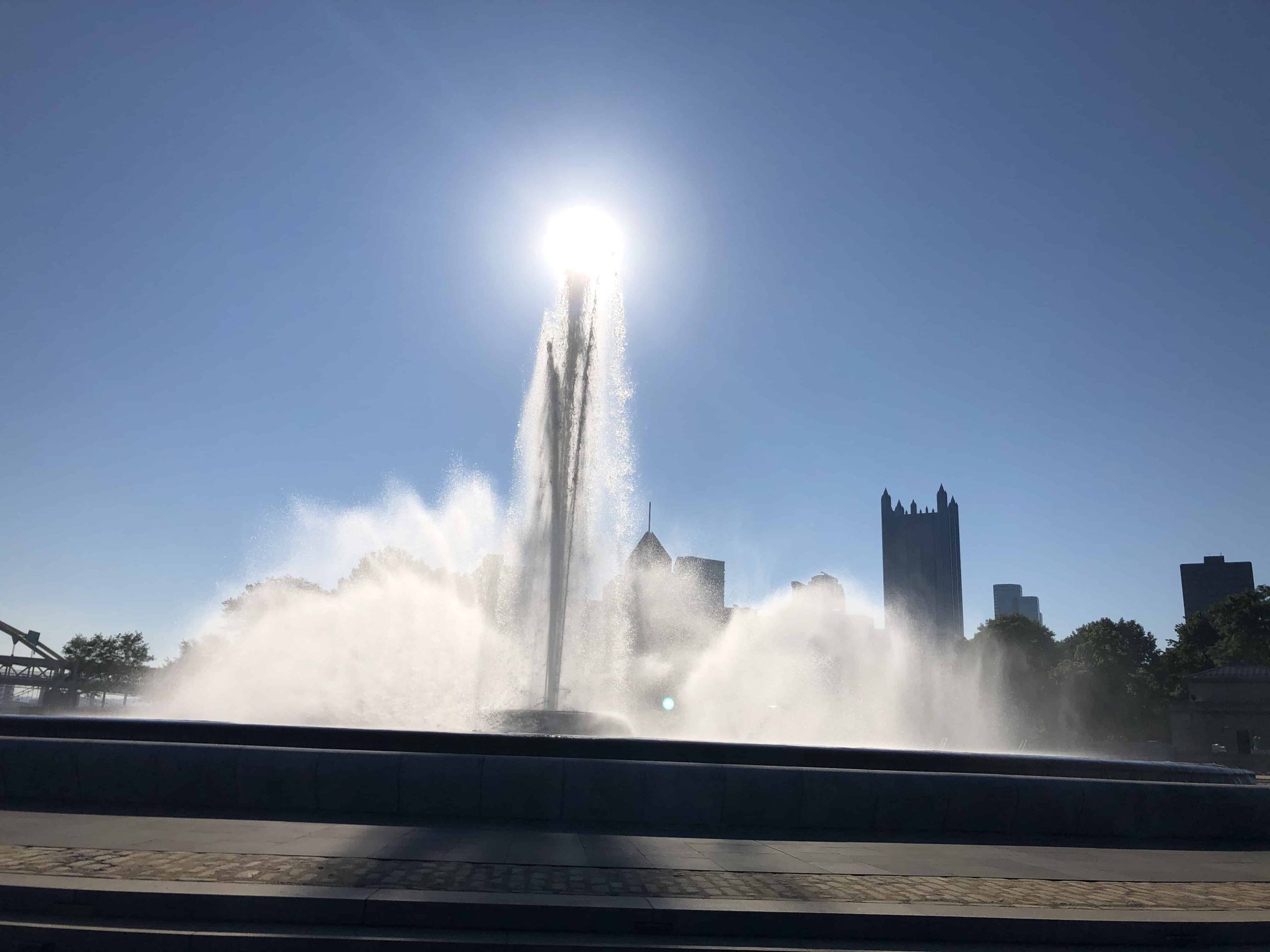


Explore Culture & Art In Pittsburgh
Exploring Pittsburgh’s rich cultural tapestry is a captivating journey that unveils the city’s deep-rooted history, vibrant arts scene, and dynamic creative spirit. From the legacy of industrialists shaping the city’s cultural landscape to the modern-day fusion of art, innovation, and philanthropy, Pittsburgh offers an immersive experience for cultural enthusiasts. Whether it’s strolling through world-class museums, indulging in avant-garde artistic expressions, or exploring architectural marvels, a cultural weekend getaway in Pittsburgh promises an enriching and unforgettable adventure. Hopefully, this 3-day itinerary and guide for art lovers to the city of Pittsburgh can help you plan your visit to this cultural powerhouse and uncover the compelling story woven into the fabric of Pittsburgh’s arts and heritage.
Travel Resources
The links above contain product affiliate links.
We may receive a commission at no additional cost to you
if you make a purchase after clicking on one of these links.
But your support of Fork & Wander is greatly appreciated!


