

This site contains product affiliate links. If you make a purchase after clicking on one of these links, we may receive a commission.
Tips for First-Time Visitors To The Lofoten Islands
The Lofoten Islands are one of Norway’s most breathtaking destinations. From jagged peaks and sandy beaches to fishing villages and rich culture, this remote chain of islands in the Arctic Circle feels unlike anywhere else in the world. On my first trip, I quickly learned that visiting Lofoten takes more planning than your average vacation. Transportation, weather, and accommodations all require thought in advance. In this guide, I’ll share my best tips for first-time visitors to the Lofoten Islands—based on my recent trip—so you can avoid surprises and enjoy everything this incredible place offers.
My First Trip to the Lofoten Islands
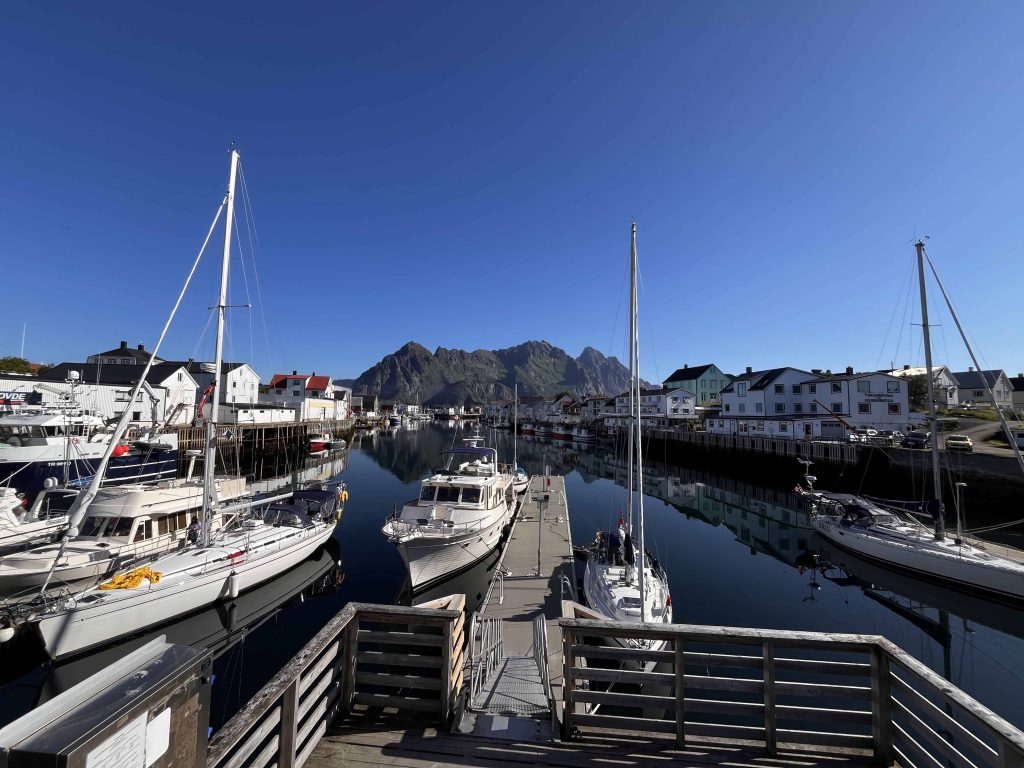
My first visit to the Lofoten Islands was in July of 2024, during a 16-day trip through Norway. I had always heard about the dramatic scenery of Lofoten, but experiencing it in person was something else entirely. We planned our trip specifically for the midnight sun, and it didn’t disappoint—those endless golden hours where the sun lingers on the horizon made every hike, drive, and quiet moment by the water feel unforgettable.
As a first-time visitor, I quickly learned that the Lofoten Islands require some planning. From deciding where to base ourselves to figuring out how to get around the islands, some details made a big difference in the experience. But once we were there, it was easy to see why so many travelers call Lofoten one of the most beautiful places in the world. This post is based on what I discovered while planning and during my time on the islands—so if you’re a first-time visitor, you’ll have a clearer idea of what to expect.
How to Get to the Lofoten Islands
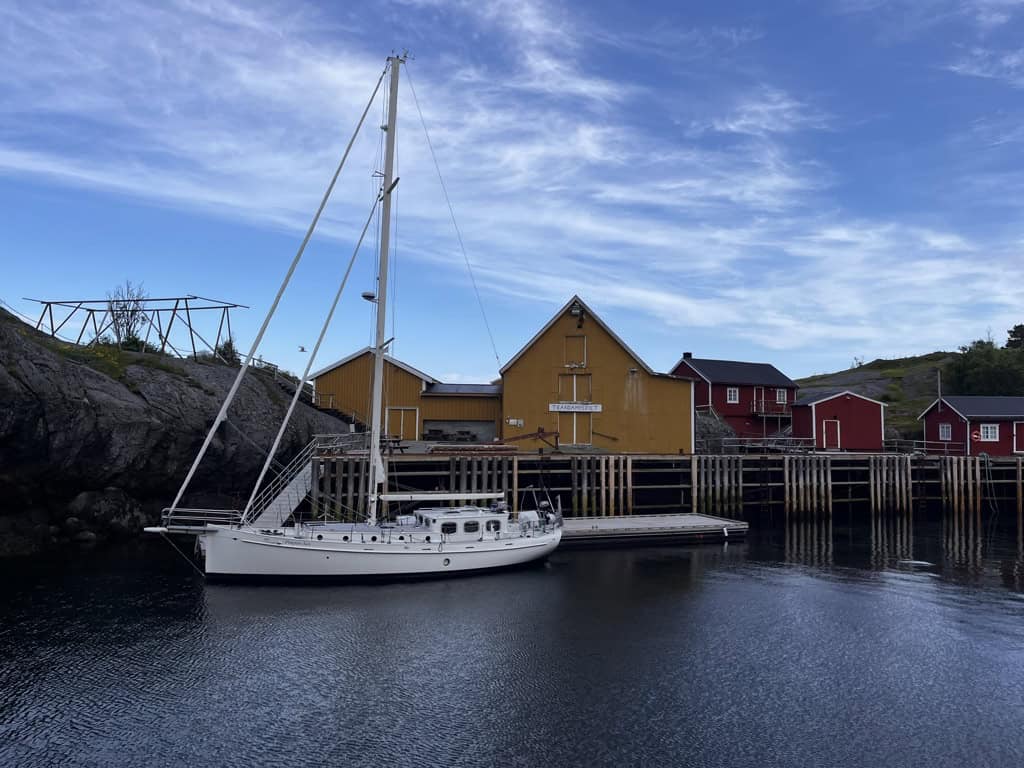
The first decision you’ll make is how to reach the islands. Norway is a vast country, and distances are bigger than they appear on a map.
- Driving to Lofoten: It’s at least a 24-hour drive from Oslo or Bergen. Scenic, but not practical for most travelers.
- Taking the Ferry: Coastal ferries such as Havila and Hurtigruten connect Bergen to the north. The trip is beautiful but takes about four days.
- Flying to Lofoten: The fastest option by far.
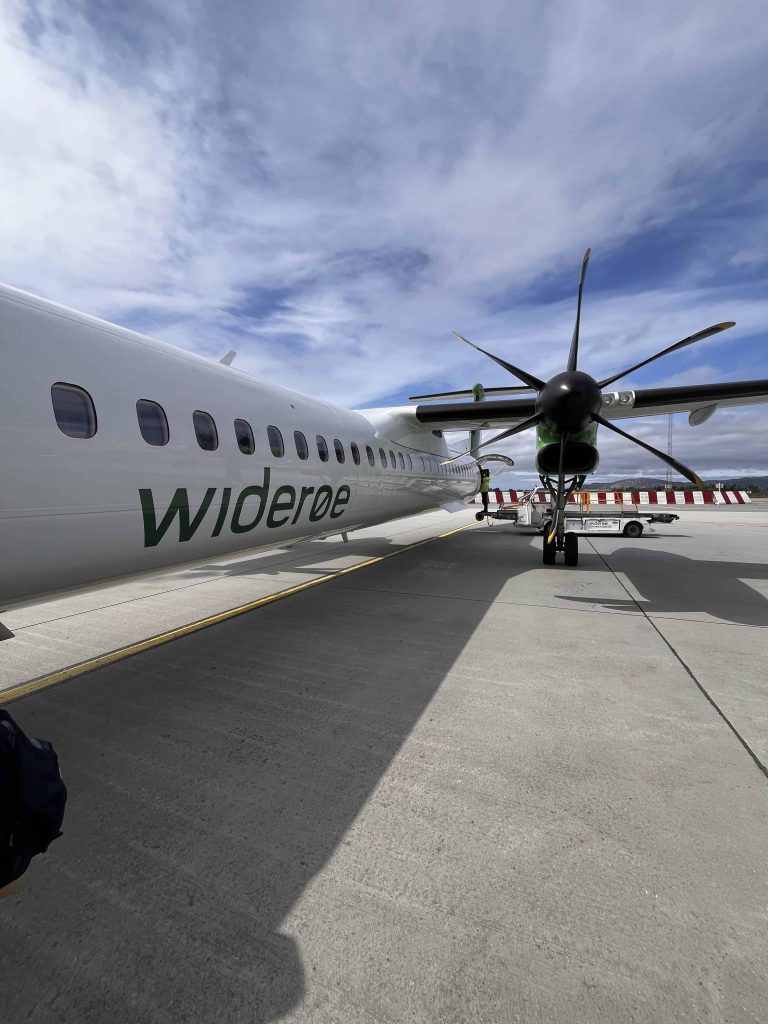
I chose Widerøe Airlines, and I’d recommend them to anyone. They connect even small airports, fly in nearly any weather, and handle tight connections without issues. My 30-minute connection in Bodø sounded impossible when I booked, but they made it work seamlessly. For most visitors, flying is the best way to reach Lofoten.
Other options include flying on SAS or Norwegian Airlines, with flights that will take you to Bodø or Harstad/Narvik. Flying to Tromso, then driving, is also an option.
But Widerøe will get you to almost any airport in the Lofoten Islands you desire. Flying with Widerøe is part of the experience of visiting the Lofoten Islands. The airline operates a fleet of smaller propeller planes, making for a smooth and scenic flight and allowing them to service airports with shorter runways scattered throughout northern Norway.
Founded in 1934, Widerøe is the largest regional airline in Scandinavia and has long been a lifeline for remote communities. Its extensive network connects even the farthest reaches of the country, and in the Lofoten Islands alone, you’ll find multiple airports served by Widerøe, including Leknes and Svolvær. This makes it a practical and reliable choice for travelers, giving you the unique chance to enjoy breathtaking coastline views and islands from the air.
Getting Around the Lofoten Islands: Why a Car Rental is Essential
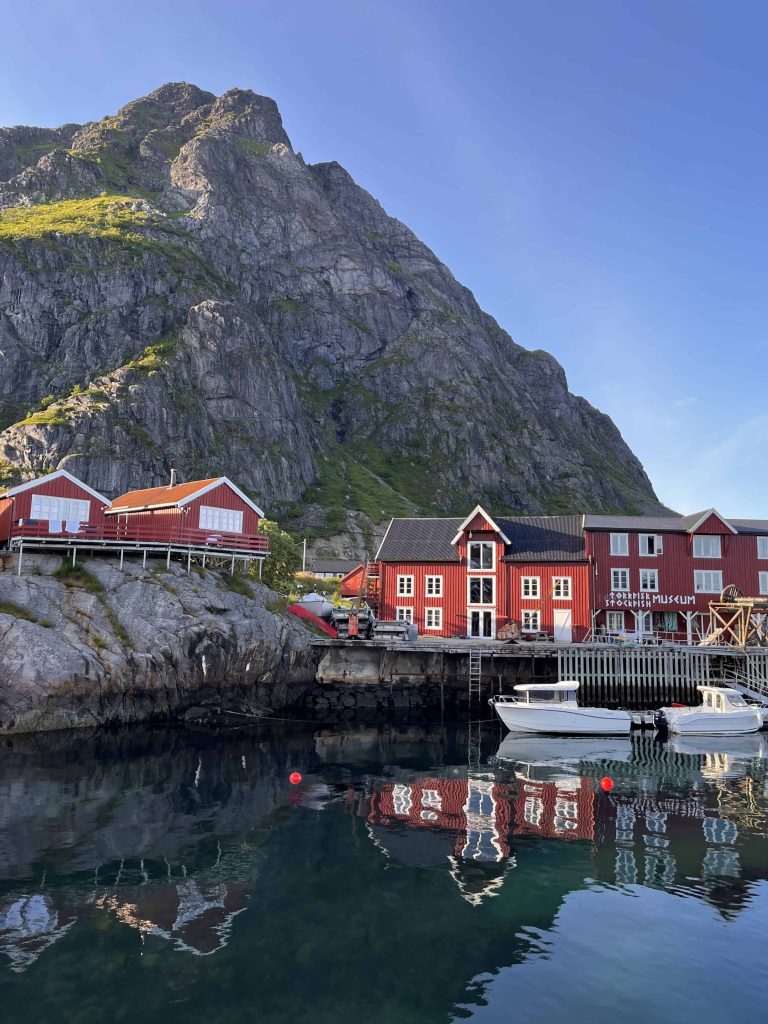
Once you’re in Lofoten, the islands stretch over 100 miles, and with so much to see and do, you will want to explore. Public transport exists but is limited and won’t easily get you to many trailheads or remote fishing villages. Renting a car is essential for exploring at your own pace.
- Gas vs. EV rentals: Norway has excellent EV infrastructure, but I chose a gas car since we don’t drive an EV at home. If you’re comfortable with EVs, they’re a very realistic option.
- Gas stations: U.S. credit cards and Apple Pay worked fine everywhere. Manned stations are also available in larger towns.
- Parking tips: Download the EasyPark app before you go. It’s used at most large lots, saving me a lot of hassle. Just note—when setting it up for your rental vehicle, enter your license plate number without spaces (it took me several unsuccessful tries to figure this out).
Looking for ways to get to Norway from North America, consider Icelandair. Check out my review Flying Icelandair From Pittsburgh: Why It Might Be Your Best Option to Europe.

Tips for Renting a Car in Lofoten
Having a rental car in the Lofoten Islands makes exploring at your own pace much easier, but there are a few things worth knowing before you book. First, try to avoid one-way rentals. Returning your car to the same location where you picked it up will save you a lot of money, since one-way drop fees in Norway can be extremely expensive. It also pays to book your car early, especially if you’re traveling during the busy summer season. Prices climb the closer you get to your trip dates, and availability can be limited.
You don’t need an international driver’s license to rent a car here—if your license is in English, you’ll be fine. It’s also important to check your insurance coverage. Most U.S.-based car insurance policies do not extend to Norway, so you’ll want to purchase rental coverage directly from the car company or include it as part of a broader travel insurance plan. Taking care of this beforehand gives you peace of mind and keeps your trip focused on the scenery rather than the logistics.
Car rentals are expensive in Norway, but worth every penny in Lofoten.
Tips on Where to Stay in the Lofoten Islands for First-Time Visitors
From Svolvær in the east to Å in the west, it’s at least 2.5 hours of driving without stops—which is almost impossible, because you’ll want to stop everywhere. That means choosing where to stay is an integral part of planning.
You have two main strategies:
- Stay in one central location (I suggest around Leknes): This makes reaching any point on the islands easier within about an hour.
- Split your stay between 2–3 places: For example, Ballstad, Reine, and Henningsvær. This reduces long daily drives.
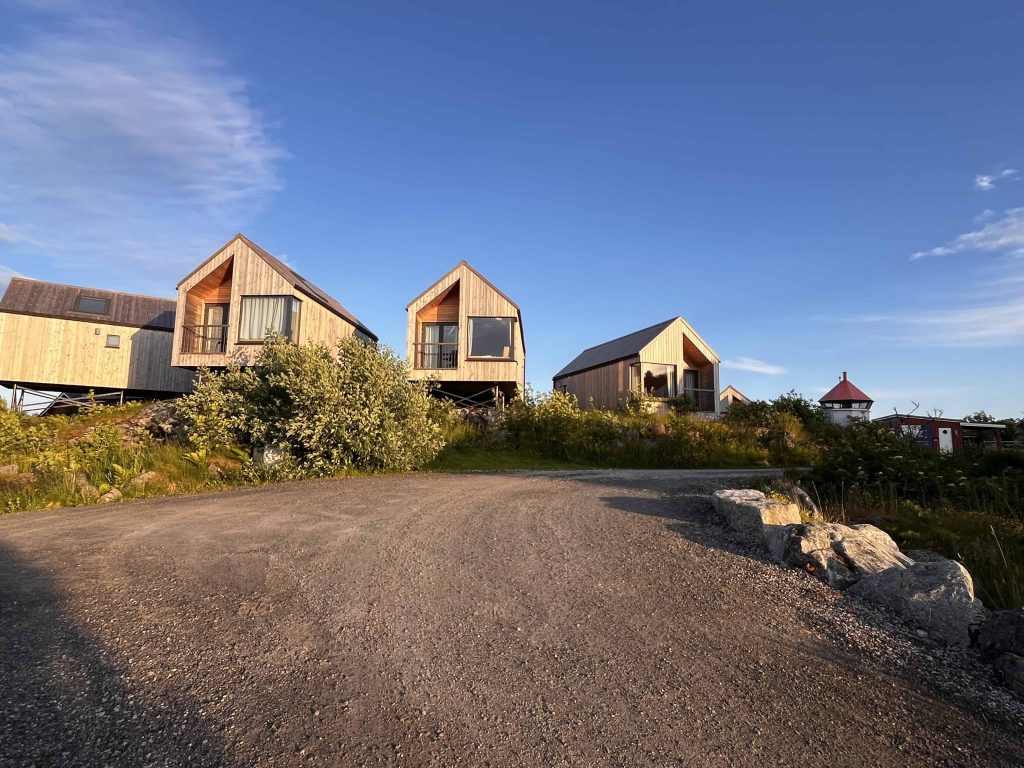
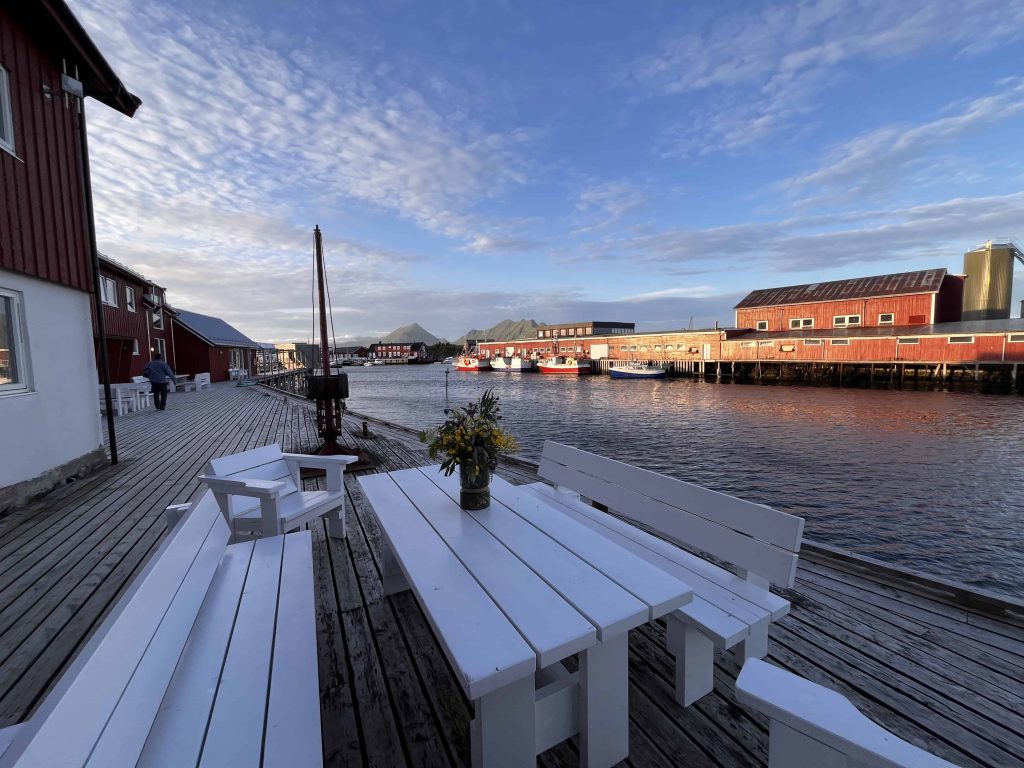
On my trip, I split my time between Ballstad and Henningsvær. If I went back, I’d stay all night in Ballstad or divide time between Ballstad and Reine. Ballstad gave me a quieter, more local feel, while Henningsvær was charming but more crowded.
For accommodations, I highly recommend Hattvika Lodge in Ballstad. It exceeded expectations and was one of the best-run properties I’ve stayed in anywhere. Other good options include Airbnbs, boutique inns, and camping. Thanks to Norway’s Right to Roam law, camping is allowed almost everywhere, though it can create crowded parking at popular trailheads.
Best Things to Do in the Lofoten Islands
Hiking in Lofoten
Hiking is the main reason many visitors come to Lofoten. But I quickly realized during our visit that most hikes are steep and strenuous. Choose your hikes carefully if you’re not in great shape or afraid of heights like me.
That is why I will give you some honest feedback on the hikes I most enjoyed and rate the difficulty both from a fitness standpoint and the skill level required.
Some of my favorites:
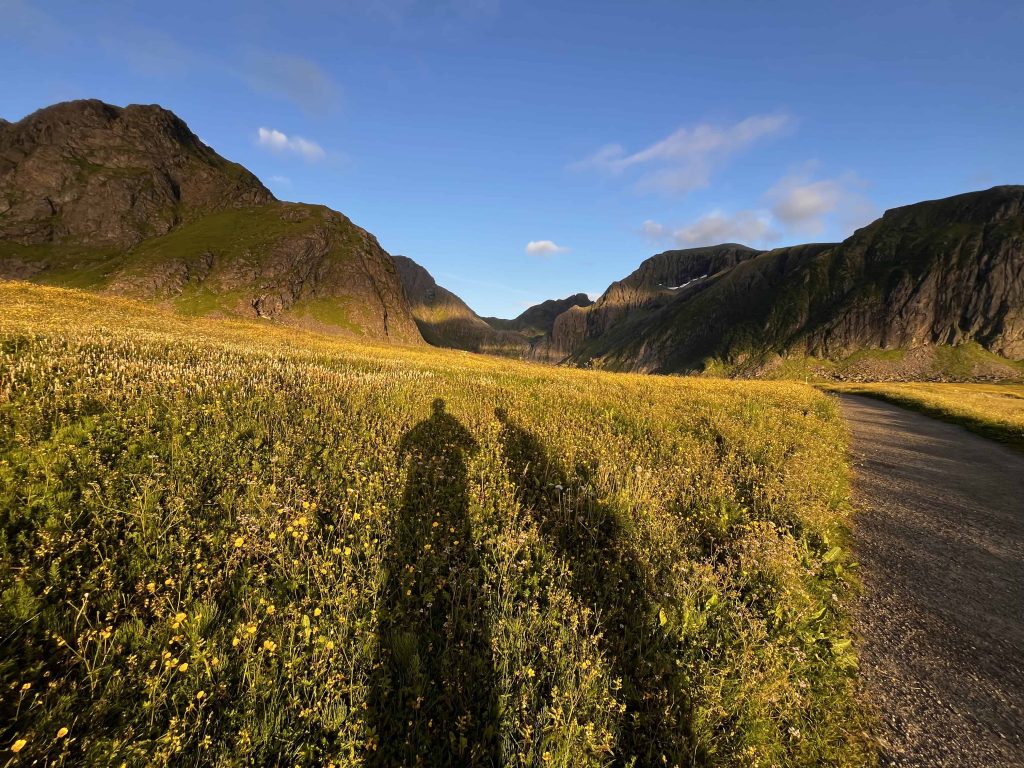
- Uttakleiv to Haukland Beach: A flat, scenic walk suitable for most visitors. I enjoyed this walk so much that we did it twice, once in the morning and once in the late evening. This hike is appropriate for all skill levels.
- Mannen Hike: A moderate summit near Haukland. Of the summit hikes, this one is one of the more doable.
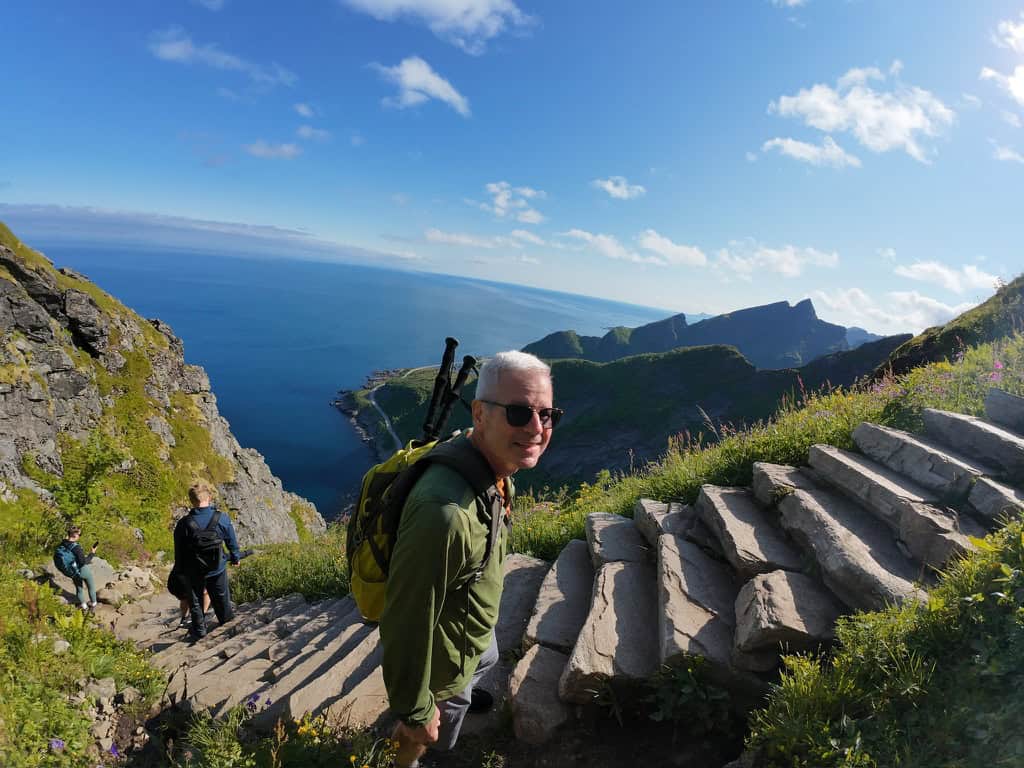
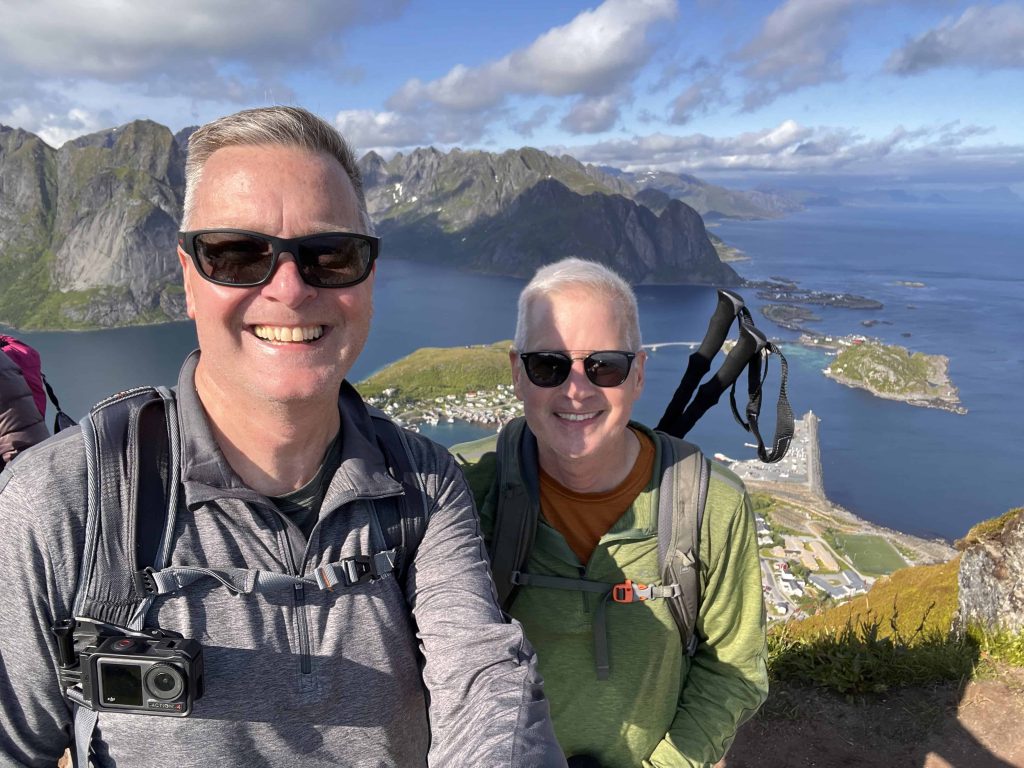
- Reinebringen: Famous for its 1,978 stone steps. Crowded, but worth it for the views. This is one of the most famous hikes in the Lofotens, which really lives up to the hype. But climbing the stairs to the top requires a higher level of fitness. And the journey down is more challenging due to tired muscles. The top has two summits. The first summit has excellent views and is not as demanding for those with fears of heights. The second summit can be more difficult, but it is not necessary to hike to it since the view is not much different.
- Ryten & Kvalvika Beach: Stunning but steep. But doing partial sections of the trail can be rewarding. The Ryten trail leads to a fantastic summit, and from there you can take a different trail down to Kvalvika Beach (this section of the trail was closed during our visit, so we did not make it to the beach). At the mid-way point on the Ryten trail, hiking can be more challenging for people who fear heights. Remember, there is no shame in knowing when it is right for you to turn around.
- Storknubben (Gimsøya): A less popular climb with beautiful views—weather permitting. Visiting Gimsøya Island is a must, and this hike offers fantastic views. It is also appropriate for those with a moderate fear of heights. Unfortunately, as we neared the top, the weather turned, and we had to quit due to such thick fog and rain.
Kayaking and Boat Tours
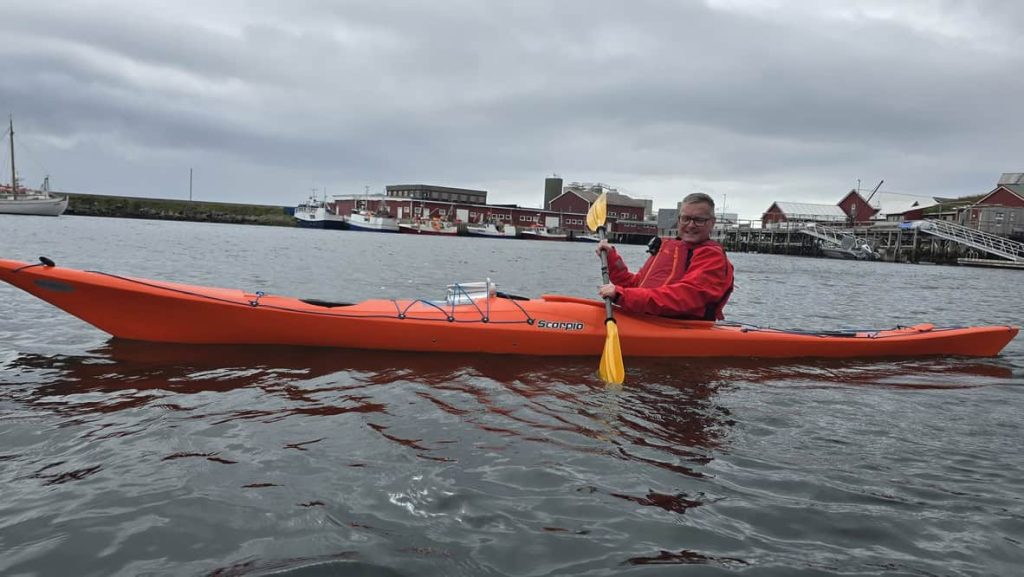
Don’t just see Lofoten from the land. Getting out on the water offers a new perspective on the dramatic peaks and coastline. Guided kayaking trips and boat tours are widely available.
We did a guided tour through our hotel, Hattvika Lodge, and loved it. It was very challenging due to the weather. But you can arrange other kayak tours in various villages around the Lofoten Islands. One of the more scenic is found in Henningsvær.
Explore Lofoten Villages and Cafés
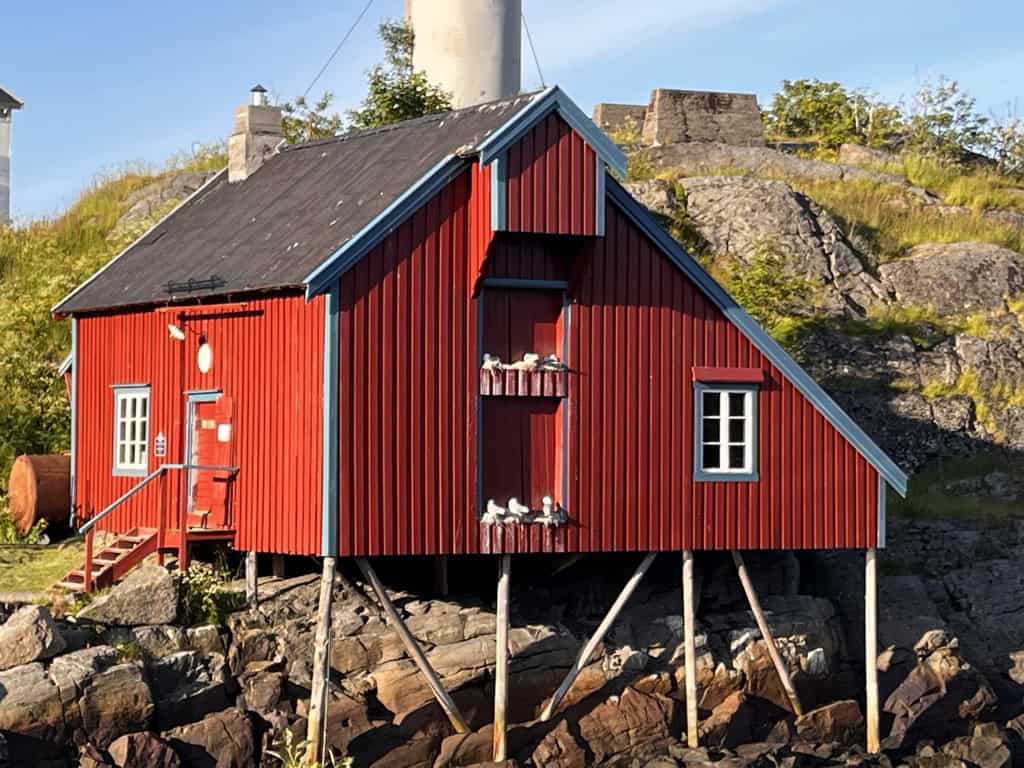
Fishing villages are the heart of Lofoten. Wandering around Ballstad, Reine, and Henningsvær gave me some of my favorite moments. Cafés are also everywhere—and the cinnamon rolls are a must-try.
- Glasshytta in Vikten: Watch glassblowers at work and enjoy coffee with a not-too-sweet cinnamon roll.
- Unstad Arctic Surf Café: Home to my favorite cinnamon roll of the trip. Pair it with hot chocolate, and you are in heaven.
- Nusfjord: My favorite small village in the Lofoten Islands. It is charming and very well preserved. Plus, the pizza we had at Oriana Kro was delicious!




Things to Do in Lofoten on Rainy Days
The weather in the Arctic changes constantly. During our week-long trip, we never had a full day of only rain or only sun. When the weather turned, we found plenty to do indoors:
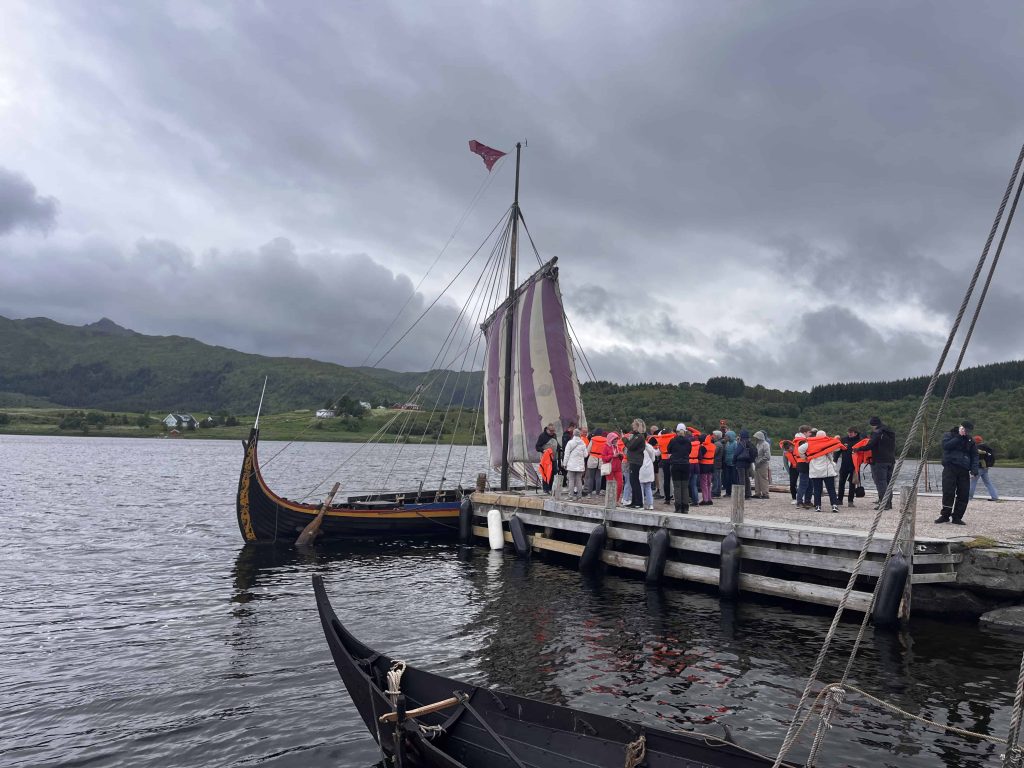
- Lofotr Viking Museum: Surprisingly interesting, with a reconstructed longhouse and outdoor activities.
- Glasshytta Workshop and Café: Perfect for a rainy afternoon.
- Cafés and Bakeries: Cozy spots to linger when the weather shifts.
Planning Tips for First-Time Visitors to the Lofoten Islands
- Book early: Flights, car rentals, and accommodations sell out quickly in peak season. Prices rise closer to travel dates in most cases.
- Stay long enough: Plan at least 5 nights. Lofoten is too large to experience in a quick overnight.
- Budget wisely: Norway is expensive, and Lofoten is no exception. Add cushion to your travel budget for food, gas, and activities.
- Be flexible with plans: The Weather changes quickly. Have backup indoor activities and be ready to adjust. And don’t plan out every minute, hike, or activity. Save time for just exploring, because that was when we found our favorite moments.
Final Thoughts: Is Lofoten Worth Visiting?
Visiting the Lofoten Islands for the first time is an unforgettable experience. The scenery is dramatic, the fishing towns are full of character, and the outdoor opportunities are endless. These Tips for First-Time Visitors To The Lofoten Islands will prepare you for a fantastic adventure with the proper planning—and realistic expectations about costs, weather, and driving.
My week in Lofoten was everything I hoped for and more. It’s a destination I’d go back to in a heartbeat, and every traveler to Norway should experience it at least once.
Travel Resources
The links above contain product affiliate links.
We may receive a commission at no additional cost to you
if you make a purchase after clicking on one of these links.
But your support of Fork & Wander is greatly appreciated!


